GUARD Act After Revisions: Privacy and Parental Concerns Remain High
Following widespread criticism, lawmakers have narrowed the scope of the GUARD Act, a legislative proposal originally targeting minors' access to certain AI systems. The initial version threatened to encompass nearly every AI-powered chatbot or search tool. The revised bill now focuses more narrowly on so-called “AI companions”—conversational systems designed to simulate emotional or interpersonal interactions with users. While this change addresses some of the most sweeping concerns, the updated legislation still creates serious problems for privacy, online speech, and parental choice.
Background of the GUARD Act
The GUARD Act, short for “Guarding Against Unrestricted AI Interactions for Minors,” was introduced with the stated goal of protecting children from potential harms of AI companions. Critics of the original bill argued it was overly broad, potentially restricting access to all sorts of AI tools, including education-focused chatbots and search engines. The revised version narrows the definition to systems that engage in emotional disclosures or present a persistent identity, persona, or character.
Key Changes in the Revised Bill
The most significant revision is the narrowed definition of “AI companion.” The original bill could have been interpreted to cover any AI-powered conversational tool. Now, it targets systems that “engage in interactions involving emotional disclosures” from the user or present a persistent identity, persona, or character. This change reduces the risk of overreach but still leaves gray areas. For instance, a general-purpose chatbot that occasionally offers casual empathy might fall under the definition, depending on interpretation.
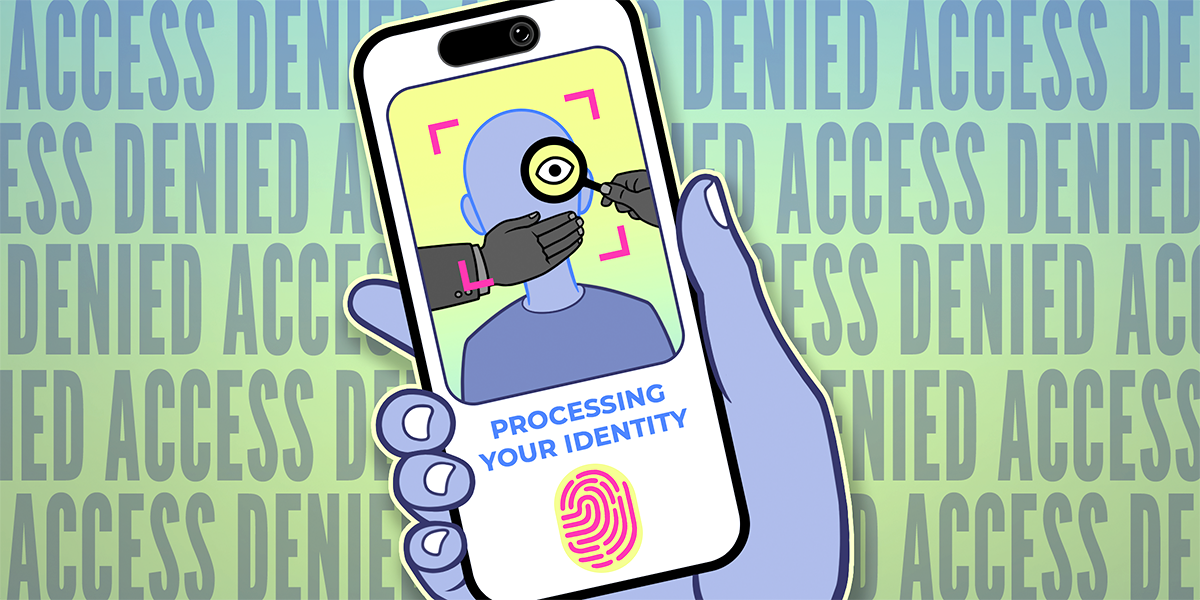
Additionally, the revised bill allows a broader set of age-verification methods. However, all methods remain tied to users’ real-world identities—such as financial records, government IDs, or age-verified accounts with mobile operating systems or app stores. This requirement persists despite privacy concerns.
Persistent Privacy and Age-Verification Concerns
The revised GUARD Act still mandates that companies offering AI companions implement “reasonable age verification” for all users. While the methods may be more flexible, they inevitably require linking to sensitive personal or financial information. This creates multiple issues:
- Privacy risks: Users must share real identities to access AI tools that may involve intimate conversations. This is especially troubling for teenagers or marginalized groups who value anonymity online.
- Access barriers: Millions of Americans lack current government IDs, bank accounts, or stable digital identity systems. These individuals could be excluded from using AI companions.
- Data security: Centralized identity verification systems become attractive targets for hackers, potentially exposing vast amounts of personal data.
Many people, including parents, may choose to forgo using these services rather than compromise their privacy. As one analysis noted, “People are rightly creeped out by age-verification systems” and may simply avoid them altogether.

Unclear Definitions and Heavy Liability
The revised bill leaves important definitions unclear while sharply increasing penalties for companies that misinterpret them. For example, what exactly constitutes an “emotional disclosure”? Could a chatbot asking “How was your day?” be seen as soliciting emotional content? The vague language places developers in a difficult position, as they face heavy liability for getting judgments wrong. This chilling effect could discourage innovation and push companies to over-censor or block features to avoid legal risks.
Impact on Parental Choice and Access
Even parents who actively want their teenagers to use AI companions would face significant hurdles under the revised bill. For instance:
- A family might decide that a conversational AI tool helps an isolated teenager practice social interaction or engage in harmless creative roleplay.
- A parent deployed in the military might set up a persistent AI storyteller for a younger child to maintain a comforting routine.
Under the revised GUARD Act, those users would still be forced through mandatory age checks tied to sensitive personal or financial information before they or their children can access these services. This undermines parental discretion and assumes that every parent needs government-mandated barriers to technology they have already chosen for their child.
Conclusion: A Step Forward, But Serious Problems Linger
Lawmakers have made progress by narrowing the GUARD Act’s scope, but the revised bill still attempts to solve a complicated social problem with vague legal standards, heavy liability, and privacy-invasive verification systems. Until age verification can be done without compromising privacy or excluding vulnerable populations, and until definitions are crystal clear, the GUARD Act will continue to raise serious concerns. For now, citizens and organizations are urging Congress to oppose the bill in its current form.
Related Articles
- 7 Ways IDE-Native Search Tools Supercharge AI Coding Agents
- How to Transform Any Story into Multiple Formats with AI
- 10 Ways AI is Revolutionizing Software Development in 2026
- Uncovering Microsoft’s Hidden Free Toolkit: Which Apps You Need to Download
- 7 Critical Insights on the RAM Shortage Worsening in 2027 and Beyond, According to Samsung
- Mastering Python Environments in VS Code: Your Questions Answered
- What the National Science Board Mass Firing Means for U.S. Science Policy
- Microsoft Defender False Positive Tags Legitimate DigiCert Root Certificates as Trojan