How Plants Master the Delicate Art of Light Adaptation
Introduction
For a plant, living on sunlight is a high-stakes balancing act. The sun’s rays deliver life-giving energy, but they also fluctuate wildly—from a gentle dawn glow to the blazing noon hammer, from the dappled shade of a passing cloud to the sudden full blast of an open field. Too little light stunts growth; too much can scorch leaves, snap DNA, and degrade essential molecules. Yet plants not only survive—they thrive. Hidden inside every leaf is a sophisticated system that constantly adjusts to these changes, a kind of mathematical dance that ensures each photon is used efficiently and safely. This guide reveals the step-by-step choreography plants use to adapt to light’s ever‑changing rhythm. By understanding this process, you’ll gain a deeper appreciation for the elegant engineering inside plant cells.
What You Need
Before diving into the steps, it helps to have a basic understanding of a few key concepts. Don’t worry if you’re not an expert—the guide is designed for curious learners.
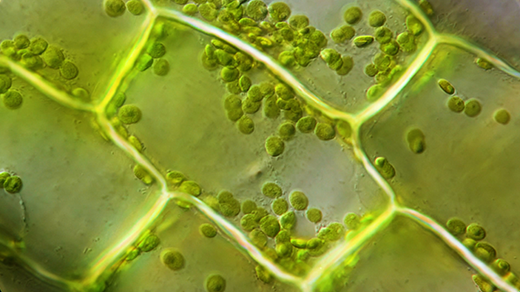
- Basic knowledge of photosynthesis – You should know that plants use light, water, and carbon dioxide to make sugar. A quick refresher on the light‑dependent reactions (in the thylakoid membranes of chloroplasts) will be useful.
- Familiarity with plant cell parts – Know what chloroplasts, thylakoids, and the stroma are. Also helpful: antenna complexes, reaction centers, and photosystems (PSII and PSI).
- An open mind about molecular “machinery” – Many of the adaptations involve tiny protein and pigment rearrangements. Think of them as microscopic moving parts.
- Patience – Light adaptation happens on timescales from seconds to minutes. The steps below are a simplified timeline of what a plant does when light changes.
If you need to review photosynthesis, consider reading a basic biology text before continuing. Now, let’s follow the plant’s internal guide to handling light.
Step‑by‑Step: How Plants Adapt to Changing Light
Step 1: Sense the Light Intensity
The first step is detection. Plants have specialized proteins called photoreceptors that monitor light quality and quantity. The most famous are the phytochromes (which detect red and far‑red light) and cryptochromes (blue light sensors). But for immediate light intensity changes, the chloroplasts themselves act as detectors. The light‑harvesting complexes (LHCs) around photosystem II (PSII) absorb photons and excite electrons. When light levels suddenly rise, the electron transport chain becomes saturated, and a signal called the thylakoid pH gradient changes. This physical and chemical change is the plant’s first alarm.
Step 2: Transmit the Signal Within the Chloroplast
Once the chloroplast senses an imbalance, it triggers a cascade of molecular signals. A key player is the cytochrome b6f complex, which senses the flow of electrons. When too many electrons are being pushed through, the complex alters its conformation. This change activates a kinase enzyme that attaches phosphate groups to the light‑harvesting proteins of PSII. This phosphorylation step is crucial—it’s like the plant sending a “slow down” message to the antennae.
Step 3: Rebalance the Antenna Complexes (State Transitions)
With the kinase active, the phosphorylated light‑harvesting complexes (LHCII) physically detach from PSII and migrate to photosystem I (PSI). This is called a state transition. The plant moves its solar “antennae” from one photosystem to the other to balance energy distribution. Normally, PSII prefers the shorter wavelengths of light (blue and red), while PSI likes far‑red. By shifting LHCII, the plant ensures that neither photosystem becomes overloaded. This step is the core of the “mathematical dance”—it’s a rapid, reversible redistribution of light‑harvesting capacity.
Step 4: Activate Protective Dissipation (Non‑Photochemical Quenching)
If light intensity remains dangerously high after Step 3, the plant must take stronger action. It activates a process called non‑photochemical quenching (NPQ). NPQ safely converts excess light energy into harmless heat. One major mechanism involves the violaxanthin‑to‑zeaxanthin cycle. Under high light, the enzyme violaxanthin de‑epoxidase converts violaxanthin (an orange pigment) into zeaxanthin. Zeaxanthin interacts with the antenna proteins to dissipate extra energy. This process is triggered by the low pH inside the thylakoid lumen (acidity) and can turn on within seconds. It’s like a safety valve that prevents the photosystems from burning out.
Step 5: Adjust the Electron Transport Chain and Repair Damaged Components
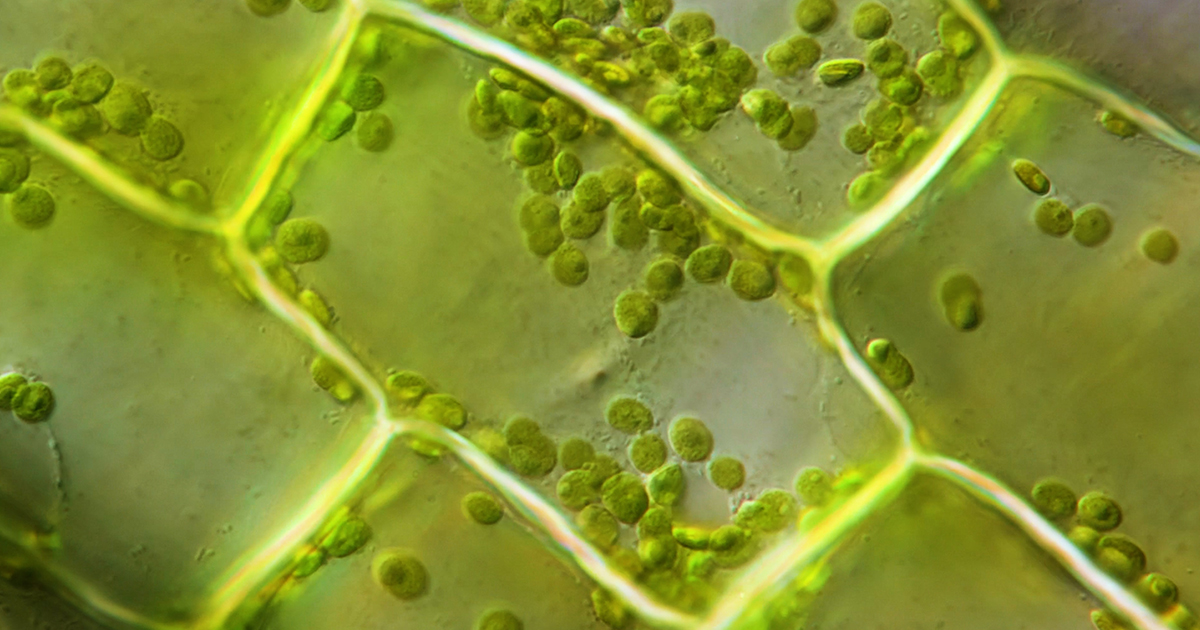
Even with quenching, some damage may occur—especially to the D1 protein in PSII, the most vulnerable part of the photosynthetic machinery. Plants constantly carry out photorepair. They disassemble damaged PSII centers, replace the D1 protein, and reassemble the complex. Meanwhile, the electron transport chain fine‑tunes itself: the plastoquinone pool (a mobile electron carrier) adjusts its redox state, and alternative electron sinks (like the Mehler reaction or photorespiration) become more active to consume excess electrons. This step ensures long‑term stability and prevents oxidative stress.
Step 6: Return to Normal When Light Dims
When light intensity drops—say, a cloud passes—the whole process reverses. The pH gradient relaxes, the kinase becomes less active, and the phosphorylated LHCII are dephosphorylated by a phosphatase enzyme. They re‑attach to PSII. Zeaxanthin is slowly converted back to violaxanthin. NPQ is turned off. The antennae return to their default arrangement, ready to capture the now‑scarce photons efficiently. This reversibility is critical: plants can cycle through these steps many times a day without wasting energy.
Tips for Observing and Understanding Light Adaptation
- Use a portable fluorometer – If you have access to a chlorophyll fluorescence meter, you can measure NPQ and state transitions in real time. Look for increased quenching after a bright light pulse.
- Watch for leaf movements – Some plants physically move their leaves to avoid high light (e.g., the prayer plant Maranta). This is a slower adaptation but complements the molecular steps.
- Think of it as a thermostat – The plant constantly senses and adjusts, just like a thermostat maintains room temperature. The steps above are the individual “on” and “off” signals.
- Remember that too much of a good thing is harmful – Even with all this machinery, prolonged extreme light can overwhelm the system. That’s why many plants grow in shade or have thick, waxy leaves in sunny climates.
- Explore further – For a deeper dive, research the Kautsky effect (fluorescence induction) and the zeaxanthin cycle. These are key to understanding the kinetics of light adaptation.
By following these steps, you can mentally reconstruct the elegant dance that happens inside every leaf when a sunbeam brightens or fades. The next time you see a sunflower track the sun or a fern unfurl in dappled light, remember the hidden choreography of proteins and pigments making it possible.
Related Articles
- The Lenovo Legion Tab (5th-gen) Buying Guide: Is This Premium Gaming Tablet Worth Your Money?
- From Broken to Brilliant: The Ultimate Guide to Diablo 4's Transformation (2025 Edition)
- How to Successfully Overhaul Your Game's Art Style: Lessons from Borderlands' $50 Million Pivot
- AI Coding Agents Need Their Own Computers: Incredibuild's Answer
- How to Master Android App and Game Deals: A Step-by-Step Strategy Guide
- May Cloud Gaming Extravaganza: GeForce NOW Adds 16 Titles and Supercharges Performance with RTX 5080
- 10 Reasons Why eBay Should Ditch GameStop and Adopt Bitcoin to Slash $1.2 Billion in Fees
- Understanding All Will Rise: A Guide to the Game's Climate Activism Themes and Cultural Context