Alaska's Tracy Arm Fjord Hit by 481-Meter 'Near-Miss' Megatsunami, Scientists Warn of Future Risk
A massive landslide triggered a 481-meter-high tsunami in Alaska's Tracy Arm fjord on August 10, 2025—the second tallest wave ever recorded on Earth. The event occurred at 5:26 a.m. local time when at least 63.5 million cubic meters of rock crashed into the water near the South Sawyer Glacier. Despite its staggering size, no injuries or fatalities were reported because the wave struck early in the morning, when the area was largely empty.
“It was the second highest tsunami ever recorded on Earth,” said Aram Fathian, a researcher at the University of Calgary and co-author of a recent Science study reconstructing the event. “But until now, almost nobody heard about it because it was a near-miss event.”
Background
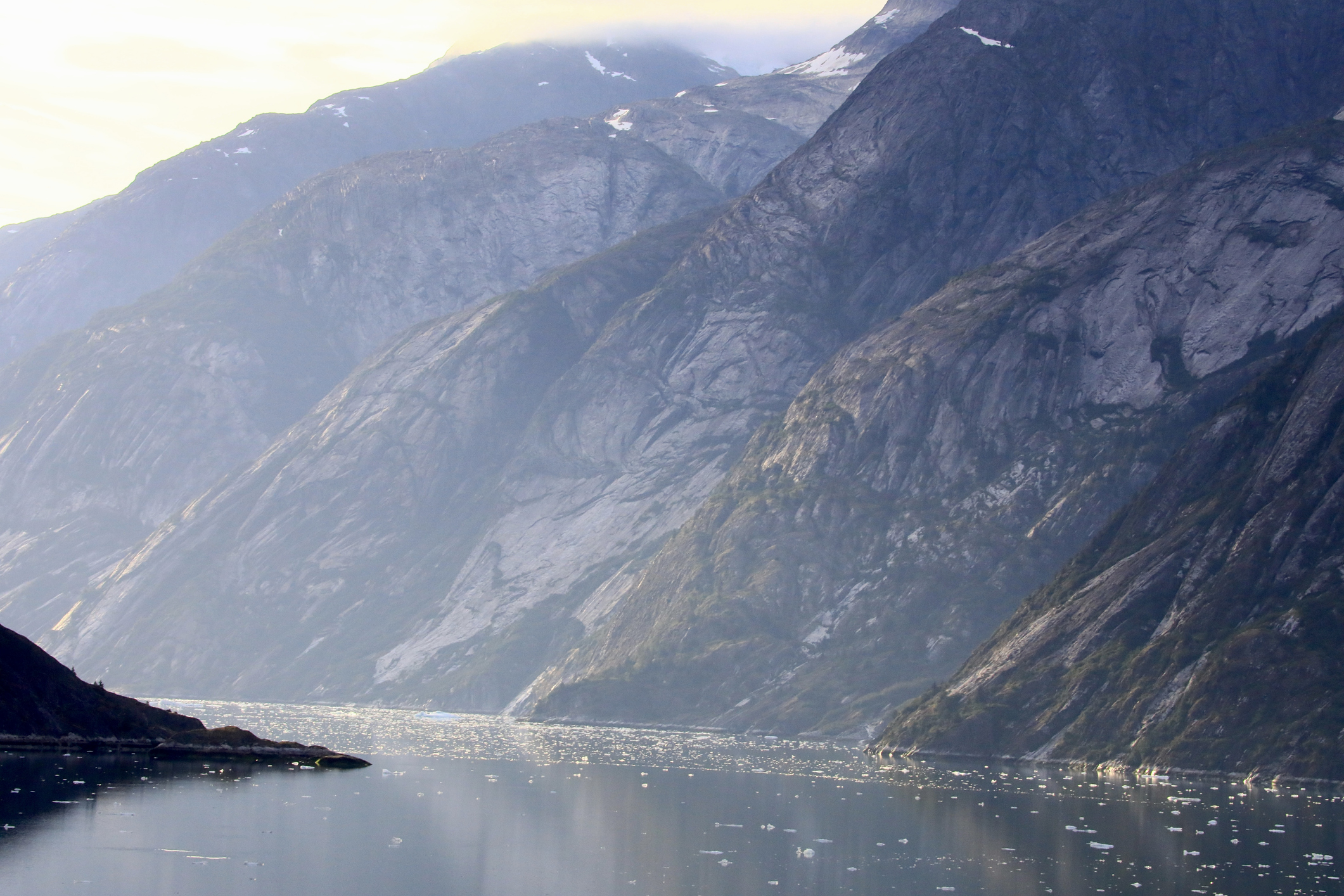
The initial wave, at least 100 meters high, swept across the fjord at speeds exceeding 70 meters per second. When it slammed into the opposite shoreline, it surged up the steep rock face to a height of 481 meters above sea level—almost as tall as the Empire State Building.
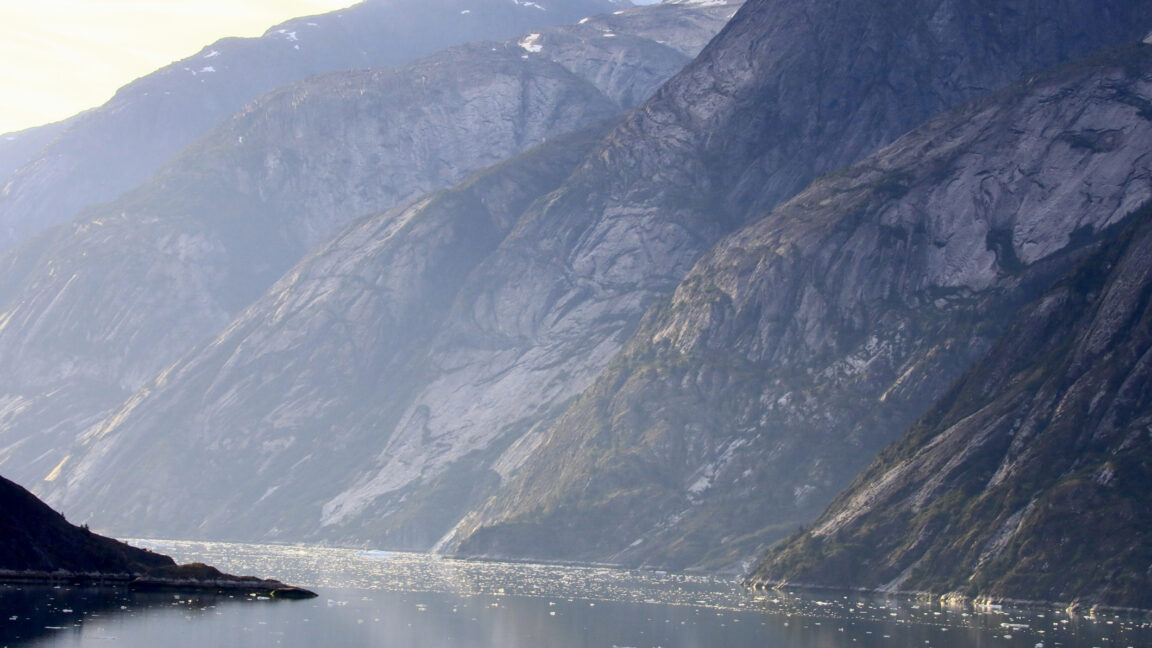
The disaster was caused by a wedge of rock that detached from a mountain above Tracy Arm, plunging into the deep water at the glacier's terminus. The sudden displacement of water in the narrow, steep-sided fjord created the extreme wave height. Since 1925, scientists have documented 27 landslide tsunamis with runups exceeding 50 meters. The only larger one was the 1958 Lituya Bay tsunami, which reached 530 meters.
Unlike earthquake-generated tsunamis—which typically cause runups of a few tens of meters—landslide tsunamis are more localized but far more violent. “When millions of tons of rock suddenly fall into a confined body of water like a narrow fjord, the variation in water depth and the direct displacement of the water column produce extremely high waves,” Fathian explained.
What This Means
The Tracy Arm event is a stark reminder that similar landslides could strike populated tourist areas without warning. Tracy Arm is a popular cruise ship destination, but the early-morning timing meant no vessels or people were in the danger zone. “We might not be so lucky next time,” Fathian warned.
Scientists are calling for improved monitoring of unstable mountain slopes near fjords and glacial faces, especially as climate change thaws permafrost and melts glaciers, potentially triggering more such events. “We need real-time monitoring systems in place to detect these failures before they happen,” Fathian added.
The study, published in Science, provides critical data for hazard modeling. Its authors emphasize that the 481-meter wave was not an outlier—it fits a pattern of increasing landslide activity in glaciated regions. Without better preparedness, a future megatsunami could cause catastrophic loss of life.
Related Articles
- After CIA Deletes Decades-Old World Factbook, Volunteers Launch OpenFactBook to Preserve Global Data
- 5 Key Takeaways from the Santa Marta Summit and Global Climate Updates
- The Hidden Security Gap: Why Your OAuth Tokens Are a Backdoor for Attackers
- Grafana Debuts gcx CLI: Observability Now Native to the Terminal and AI Coding Agents
- CrystalX RAT: The Malware That Spies, Steals, and Pranks
- 7 Ways the gcx CLI Revolutionizes Terminal-Based Observability for You and Your Agents
- Demystifying AI Model Provenance: Cisco's Open Source Solution Explained
- Apple's Fiscal 2026 June Quarter Guidance: Revenue Growth Amid Memory Constraints