Unlocking Brown Fat's Secret: New TNAP Enzyme Pathway Burn Calories and Bolster Bones
In a breakthrough that merges metabolism and bone health, researchers at McGill University have identified a previously unknown molecular mechanism that activates brown fat's calorie-burning potential. This discovery centers on glycerol, a molecule released when white fat breaks down in cold conditions, which triggers an enzyme called TNAP. TNAP then kickstarts an alternative heat-producing pathway in brown fat, explaining a long-standing mystery about how the body generates heat without shivering. Intriguingly, TNAP is also a key player in bone mineralization, suggesting that this fat-burning switch may simultaneously strengthen bones. Below, we answer key questions about this exciting finding.
What is brown fat and why is it important for metabolism?
Brown fat, also known as brown adipose tissue, is a special type of body fat that burns calories to generate heat. Unlike white fat, which stores excess energy, brown fat is packed with mitochondria that turn energy from food directly into heat through a process called thermogenesis. This makes brown fat a powerful regulator of metabolism and body weight. When activated—for example, by cold exposure—brown fat can significantly increase the number of calories you burn. Scientists have long sought ways to harness this activity for weight loss and metabolic health. The recent discovery at McGill University uncovers a new molecular switch that triggers an alternative heat-producing pathway within brown fat, offering a fresh target for therapies that could boost metabolism without requiring cold temperatures.
What did the McGill University study discover about a 'hidden fat-burning switch'?
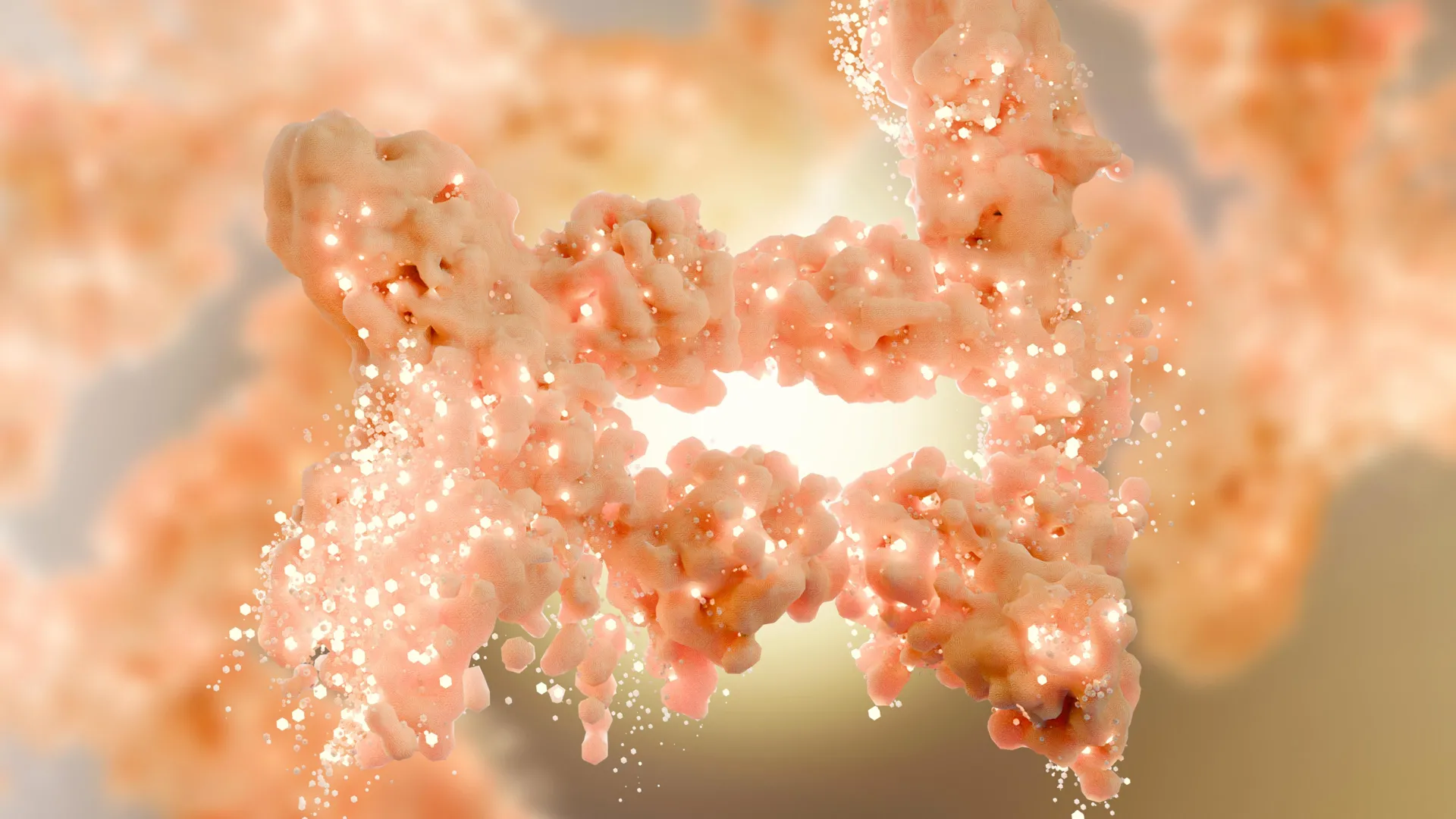
The McGill team identified that glycerol—a molecule released when white fat cells break down in response to cold—acts as a key activator. Glycerol binds to and stimulates an enzyme called tissue-nonspecific alkaline phosphatase (TNAP). Once activated, TNAP sets off a chain reaction that revs up an alternative calcium-dependent thermogenic pathway in brown fat cells. This pathway had puzzled scientists for years because it didn’t involve the typical uncoupling protein UCP1, which is the main driver of heat generation in brown fat. The discovery explains how brown fat can produce heat even when UCP1 is absent or blocked. By illuminating this glycerol-TNAP connection, the study opens up a whole new avenue for understanding and manipulating the body’s energy expenditure.
How does cold exposure trigger the glycerol-TNAP pathway?
When you’re exposed to cold, your body’s sympathetic nervous system signals white fat cells to release stored fatty acids and glycerol. The glycerol is released into the bloodstream and taken up by brown fat cells. There, it activates TNAP, which is located on the surface of brown fat cells. Active TNAP then breaks down certain molecules to release calcium ions, which stimulate mitochondria to burn more fuel and produce heat. This whole cascade happens rapidly, allowing brown fat to generate warmth without shivering. Notably, this pathway operates independently of the classic UCP1 mechanism. The finding explains why some people with low UCP1 can still generate heat from brown fat, and it suggests that even brief cold exposure might be enough to kickstart this fat-burning switch.
What role does the enzyme TNAP play in this new fat-burning mechanism?
TNAP, short for tissue-nonspecific alkaline phosphatase, is the master switch in this newly discovered pathway. Although TNAP is well‑known for its role in bone mineralization—helping to deposit calcium and phosphate into the skeleton—its function in fat metabolism was previously unrecognized. The McGill study shows that in brown fat, TNAP responds to glycerol by dephosphorylating certain substrates, which in turn triggers a calcium surge inside the mitochondria. This calcium spike forces the mitochondria to ramp up respiration and heat production. Because TNAP is the same enzyme that strengthens bones, activating it to burn fat could have the added benefit of improving bone density. This dual action makes TNAP an ideal target for therapies aiming to combat both obesity and osteoporosis simultaneously.
How could this discovery lead to stronger bones while burning fat?
The connection lies in the enzyme TNAP itself. Already recognized for its essential role in bone formation—by hydrolyzing pyrophosphate, a natural inhibitor of mineralization—TNAP activity in brown fat now appears to also drive calorie burning. If a drug or nutrient can safely boost TNAP activity in both tissues, you could theoretically stimulate brown fat to burn more calories while simultaneously enhancing the deposition of calcium into bone. This would be a game‑changer for health, as current weight‑loss methods often cause bone loss, and osteoporosis treatments rarely affect metabolism. The McGill team suggests that targeting the glycerol–TNAP axis might yield a “two‑for‑one” benefit: reducing body fat and increasing bone strength. Of course, further research is needed to confirm this synergy in humans, but the prospect is exciting.
What are the potential applications of this research for weight loss and metabolic health?
If scientists can develop a safe way to mimic the effect of glycerol or directly activate TNAP in brown fat, they could create a new class of weight‑loss treatments that work by increasing the body’s resting energy expenditure. Unlike diet pills that suppress appetite or block fat absorption, a TNAP‑based approach would actually make the body burn more calories throughout the day. Since brown fat also improves glucose and lipid metabolism, such therapies could help manage type 2 diabetes and fatty liver disease. Additionally, because the pathway operates independently of UCP1, it might be effective even in people who have little or no functional UCP1—which is common in obesity. Clinical applications would require extensive testing, but the discovery provides a clear molecular target for future drug development.
Why had scientists struggled to explain this alternative heating pathway for years?
For decades, the prevailing model of brown fat thermogenesis centered on the uncoupling protein UCP1. When UCP1 was absent or inactive, researchers assumed brown fat could not generate heat. However, several experiments showed that some heat production still occurred under cold stress in UCP1‑deficient mice, hinting at a “UCP1‑independent” pathway. The exact mechanism remained elusive because the signaling molecule and enzyme involved were not obvious. The McGill team’s insight was to look at the byproducts of white fat breakdown. Glycerol, often dismissed as a waste product, turned out to be the key that unlocks TNAP activity. Connecting glycerol to TNAP required a broad view of metabolism, linking fat cell communication, enzyme regulation, and calcium signaling. This multidisciplinary approach finally solved the puzzle that had baffled experts for over a decade.
Related Articles
- New AI Debugging Tool Pinpoints Faulty Agents in Multi-Agent Systems at ICML 2025
- The Truth About Dying in Space: Debunking Sci-Fi Myths
- 7 Key Facts About the Historic Commercial Mission to Protect Earth from Apophis
- Stargazing from Orbit: Understanding Airglow and the Milky Way from the ISS
- Plant cAMP Signaling: Decoding the Dual Roles of a Key Messenger
- 6 Reasons the Fliti Galaxy Projector Transforms Your Room (And It's Only $25!)
- The 5-Minute Strength Secret: How Slow Eccentric Movements Build Muscle Without the Gym
- Climate Change's Toll on Agriculture: Why Food Insecurity Now Threatens All Nations