From Approval to Blockade: 10 Key Developments in Fedora’s AI Desktop Plan
In early May, the Fedora project appeared on the verge of officially embracing artificial intelligence with the AI Developer Desktop Initiative. The proposal, championed by Red Hat engineer Gordon Messmer, promised an Atomic Desktop tailored for AI and machine learning workloads, complete with hardware enablement and a dedicated community. Yet within days, the green light flickered to red. Two council members withdrew their approvals, and community backlash erupted in the discussion thread. What follows are the ten pivotal moments and perspectives that turned a seemingly done deal into a stalled initiative.
1. The Ambitious Goal of the AI Developer Desktop
Gordon Messmer, a Red Hat engineer, envisioned a specialized Fedora spin—the AI Developer Desktop—designed specifically for developers tackling artificial intelligence and machine learning projects. This Atomic Desktop would ship with accelerated AI workload support, cutting-edge developer tools, and optimized hardware enablement. The initiative aimed not only to produce a technical product but also to cultivate a robust community around AI development on Fedora. It promised to bridge the gap between Fedora's flexibility and the demanding requirements of modern AI workflows, positioning the distribution as a serious contender in the AI space.
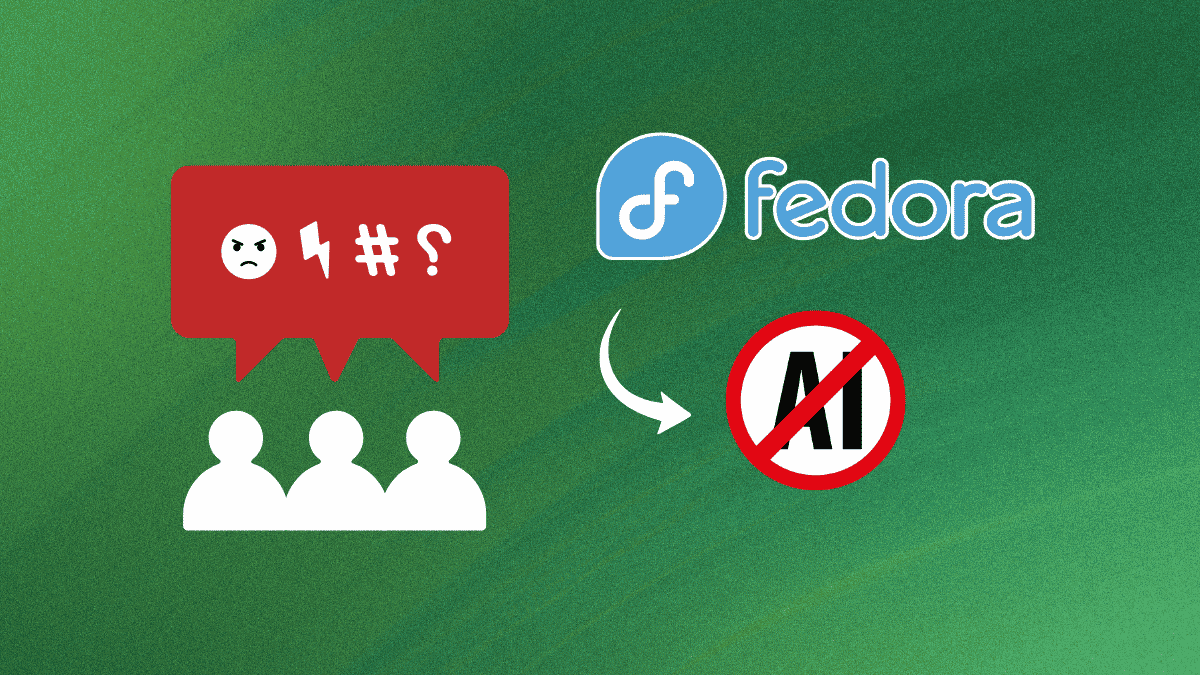
2. Unanimous Approval, Then a Sudden Reversal
On May 6, the Fedora Council met and unanimously voted in favor of the initiative. To accommodate absent members, a short lazy-consensus window was left open until May 8. During that window, the decision was expected to be formally ratified. But instead of a smooth confirmation, council member Justin Wheeler (Jflory7) became the first to switch his vote to -1. He argued that the proposal involved a “massive structural shift” by including an LTS kernel component—a change that, in his view, had not been properly cleared with Fedora's legal and engineering teams. His reversal signaled deeper concerns beneath the surface.
3. Wheeler’s Concerns: Kernel and Legal Gaps
Justin Wheeler elaborated on his vote change, pointing specifically to the LTS kernel element as a transformative change that required thorough vetting. He noted that feedback from Fedora's kernel subject-matter experts had not been adequately integrated into the plan. Additionally, developments such as the Nova driver work for NVIDIA GPUs introduced both technical and legal complexities that, he argued, needed careful examination before proceeding. Wheeler’s stance highlighted a perceived lack of due diligence in the proposal's preparation, especially regarding proprietary hardware support.
4. Hrončok’s Withdrawal: Listening to the Community
Miro Hrončok (churchyard), another council member, initially approved the initiative, assuming it was purely additive and therefore uncontroversial. However, as he observed the community's reaction, he realized his assumption was flawed. As an elected representative, Hrončok felt a responsibility to reflect the community's voice. He changed his vote to -1, emphasizing that he needed more time to weigh the implications of such a major proposal. His withdrawal underscored the importance of community consultation in Fedora's governance model.
5. Over 180 Replies: A Heated Community Debate
The proposal's discussion thread quickly filled with over 180 replies from prominent Fedora contributors. Key themes included concerns about kernel policy changes, the integration of proprietary software, and the fundamental identity of the Fedora project. Many contributors worried that the initiative would compromise Fedora's commitment to free software. The sheer volume and intensity of the backlash demonstrated that the proposal touched on deeply held values within the community, sparking a robust and sometimes heated debate about the project's direction.
6. Hans de Goede: CUDA vs. Open Alternatives
Hans de Goede, a member of Fedora's packaging team, strongly criticized the proposal's emphasis on CUDA support—a proprietary technology from NVIDIA. He argued that this focus ran counter to Fedora's foundational commitment to free software. Instead, he advocated for prioritizing open-source alternatives like AMD's ROCm and Intel's oneAPI. De Goede’s position reflected a broader sentiment that Fedora should leverage its stance to push vendors toward open solutions rather than facilitating proprietary lock-in.

7. Tim Flink: Questioning the True Purpose
Fedora contributor Tim Flink raised a fundamental question: Was the AI Developer Desktop initiative simply a vehicle to get CUDA onto a Fedora-adjacent system? He suggested that the proposal might be a narrow mechanism for bundling NVIDIA's proprietary stack rather than a genuine effort to build a comprehensive AI platform. Flink’s skepticism resonated with others who feared that the initiative could undermine Fedora's reputation for openness by prioritizing a single vendor's technology.
8. Neal Gompa: Undermining Fedora’s Historical Strategy
Neal Gompa echoed similar concerns, noting that Fedora has historically used its strict stance on proprietary software as leverage to encourage vendors to develop open solutions. He argued that the AI Developer Desktop proposal would undercut that strategy by signaling that Fedora is willing to accommodate proprietary components for convenience. Gompa warned that such a shift could set a precedent, making it harder for the project to demand openness from other vendors in the future.
9. A Communication Gap Fueled the Controversy
Fabio Valentini of FESCo, Fedora's Engineering Steering Committee, revealed that he only became aware of the proposal's vote after stumbling across the council meeting on Matrix. This communication breakdown was a major factor in the controversy. Many stakeholders felt blindsided, believing that key decisions were being made without adequate notice or discussion. The incident highlighted a need for better transparency and coordination between Fedora's governance bodies and the wider contributor community.
10. Next Steps: Revised Draft and May 22 Deadline
The initiative is now listed as blocked in the council ticket, with an escalation deadline set for May 22. Gordon Messmer, the proposal submitter, has acknowledged the feedback and indicated that a revised draft is in preparation. In the discussion thread, he expressed his intention to address the concerns raised, particularly around kernel policy and proprietary software. Whether the revised proposal will satisfy the community remains to be seen. The situation serves as a case study in open-source governance, where even a widely supported idea can stall when foundational principles are at stake.
The Fedora AI Developer Desktop initiative has been halted—at least for now. The episode underscores the delicate balance between innovation and community values in open-source projects. While the proposal aimed to position Fedora as a leader in AI development, it ignited a firestorm over kernel changes, proprietary software, and project identity. As the May 22 deadline approaches, all eyes will be on the revised draft and the council's next move. The outcome may well shape Fedora's trajectory for years to come.
Related Articles
- Empowering Educators: ISTE+ASCD Announces 2026-27 Voices of Change Fellows
- The Surprising Dangers of Cognitive Offloading: How a Personal Knowledge Base Saves Your Skills
- Kazakhstan Renews Coursera Pact, Mandates AI Literacy for All University Students
- 5 Essential Insights for Shared Design Leadership Success
- How to Use Coursera's 2025 Gender Gap Report to Boost Women's Participation in GenAI and Critical Thinking
- Kubernetes v1.36 Beta Boosts Batch Jobs with On-the-Fly Resource Adjustments While Suspended
- Coursera and Udemy Merge: 290 Million Learners Now Under One Platform
- AWS Launches Free AI Education for 100,000 Learners, Kicking Off 2026 Scholars Program