Upgrading Budget Solar Lights: Adding Smart Features
Solar power has become so affordable that even small devices can benefit from it. Budget solar lights, often motion-activated, are common in gardens and pathways. But what if you could add on-demand control, radio communication, or even integrate them into a home automation system? This Q&A explores how makers are hacking inexpensive solar modules to add smart capabilities, using techniques like adding microcontrollers and wireless modules, opening doors to remote sensors and mesh networks.
Why are small solar-powered devices now practical and popular?
Solar technology has dropped in cost dramatically, making it one of the cheapest energy sources for both large-scale grid electricity and small gadgets. For example, landscape lighting that once required low-voltage wiring and transformers can now be replaced with simple, self-contained solar lights. These units are easy to install, require no trenching or external power supplies, and have become common in gardens. Their low price and simplicity have made them a popular choice, and their built-in solar panels and battery packs provide a ready-made power source for additional electronics.
What upgrade did Mauro perform on a standard solar light?
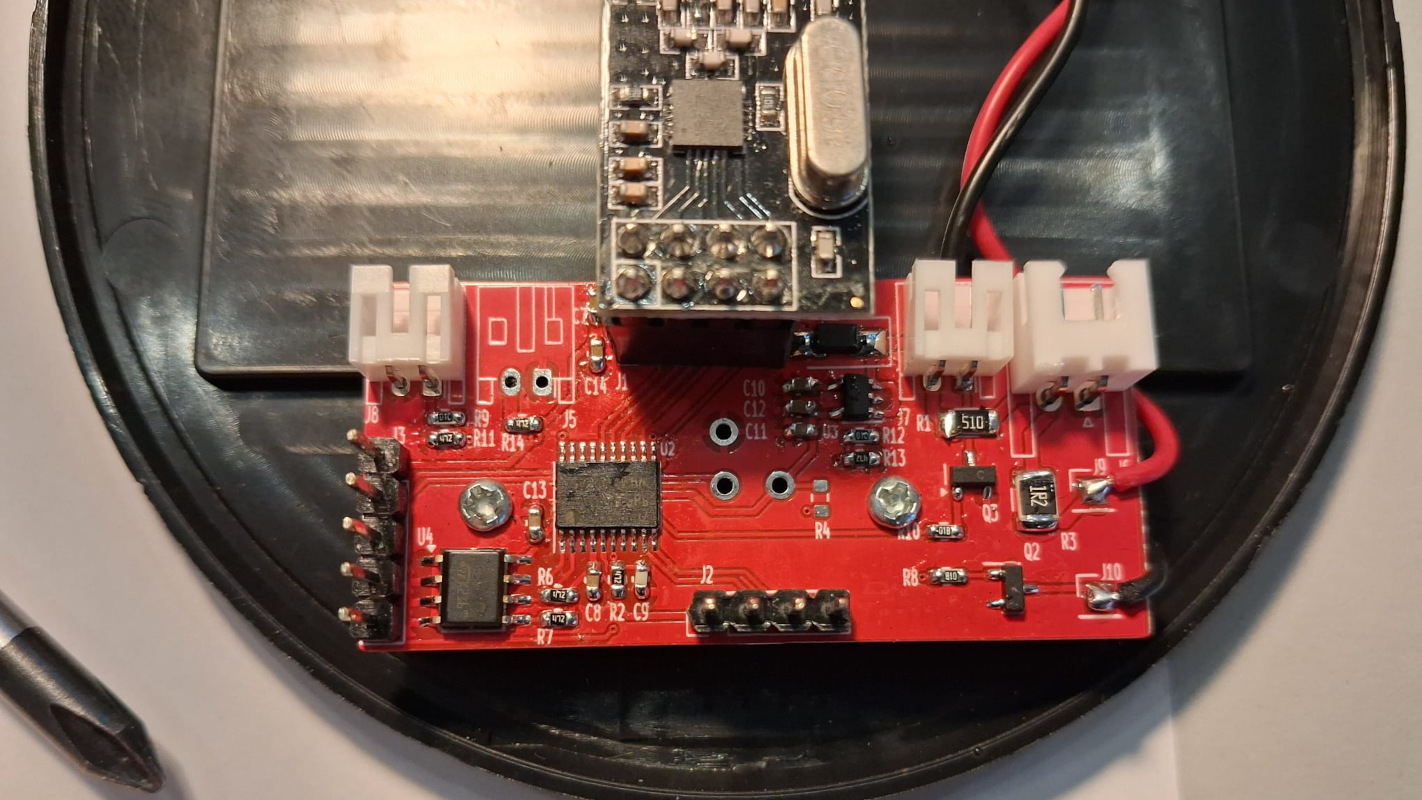
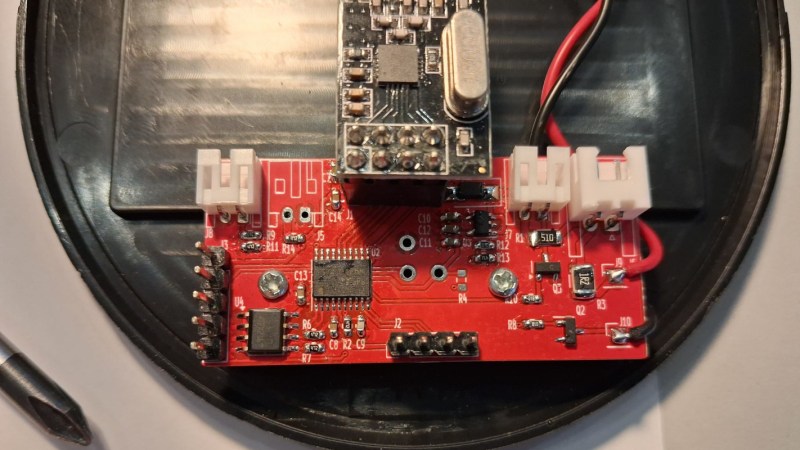
Mauro took a typical motion-activated solar light and added on-demand lighting capability. To achieve this, they installed a wireless module (NRF24L01+) inside the light's housing, paired with an STM32 microcontroller. This new circuitry operates largely independently from the existing control board, except for two connections: it can switch the light on and off, and it draws power from the same solar panel and battery. This allows the light to be controlled remotely, for example, via a home automation system like Home Assistant, giving the user manual override over the motion sensor.
How does the added radio module communicate with other systems?
The NRF24L01+ radio module uses the 2.4 GHz ISM band and can communicate with a central hub, such as a Raspberry Pi or a Home Assistant server. Mauro created a small software library to simplify sending and receiving commands. This library can be integrated into custom firmware or used alongside existing home automation platforms, enabling commands like turn on or off to be sent wirelessly. The module's low power consumption is a key advantage, as it can run for extended periods on the solar light's battery without draining it.
What other features could be added to such a solar light?
Adding a radio module and microcontroller opens many possibilities. One prominent example is integrating a Meshtastic node, which creates a long-range, low-power mesh network suitable for messaging or sensor data. The light's enclosure provides a convenient, weatherproof, and stealthy housing. Other ideas include gate sensors that send open/close alerts, plant health monitors that track soil moisture or temperature, or even small environmental sensors for air quality. The large empty space inside typical solar light cases makes them ideal for hosting extra electronics without external modifications.
Is this upgrade complex, and what tools or skills are needed?
While the concept appears simple, the upgrade requires some electronics and programming knowledge. You need to be comfortable soldering, working with microcontrollers like STM32 or ESP32, and writing or modifying firmware. The NRF24L01+ module is commonly used and well-documented, but you must ensure it can run on the voltage levels of the solar light's battery (usually 3.7V lithium-ion). Basic skills in C/C++, reading datasheets, and using an ST-Link programmer are helpful. For beginners, this project can serve as an inspiring gateway to more advanced IoT and home automation hacks.
How does this relate to home automation and smart gardens?
Mauro's work demonstrates that cheap solar lights can become nodes in a larger smart system. By linking them to Home Assistant or other platforms, users can create automated scenes—like turning on pathway lights at sunset or when a motion detector elsewhere triggers. The same radio link can carry data from added sensors, such as a soil moisture probe reporting via the light's battery and mesh network. This approach turns a simple, static garden element into a flexible, responsive part of a connected home, all while keeping installation costs low.
Related Articles
- Inside Apple's Acquisition Playbook Under Tim Cook: Hardware, Software, and Services
- 10 Ways Electric Bus Depots Are Revolutionizing the UK National Grid
- Using the Hydrogenosome Discovery to Slash Livestock Methane Emissions
- How to Stop Android Apps From Secretly Draining Your Battery
- Japan's Motorcycle Titans Electrify: Honda, Yamaha, Kawasaki, Suzuki Shift Gears
- Breaking: May 2026 Wallpaper Collection Drops – 15-Year Tradition Continues with Global Artists
- How to Expand Your City's Commercial EV Fleet with Vocational Trucks
- Electric Fire Trucks Gain Momentum but Trail Behind Buses, Garbage Trucks in Zero-Emission Transition