Samsung Tops Apple in Customer Satisfaction: 8 Key Takeaways from the 2026 ACSI Study
Customer satisfaction in the smartphone world has a new champion. The 2026 American Customer Satisfaction Index (ACSI) Telecommunications, Cell Phone, and Smartwatch Study reveals that Samsung has overtaken Apple to claim the top spot in overall cell phone satisfaction. This shift breaks last year's tie and signals important trends in AI, foldable devices, and smartwatches. Here are eight essential insights from the latest ACSI study.
- 1. Samsung Edges Past Apple for Top Satisfaction Score
- 2. Industry Satisfaction Rebounds After 2025 Dip
- 3. AI Integration Scores High with Users
- 4. Core Functions Still Reign, But AI Is Close Behind
- 5. Flagship Models Outperform Older and Foldable Phones
- 6. Foldable Segment: Samsung Leads, but Complaints Are High
- 7. Smartwatch Market Sees a Tie at the Top
- 8. Survey Methodology and Key Details
1. Samsung Edges Past Apple for Top Satisfaction Score
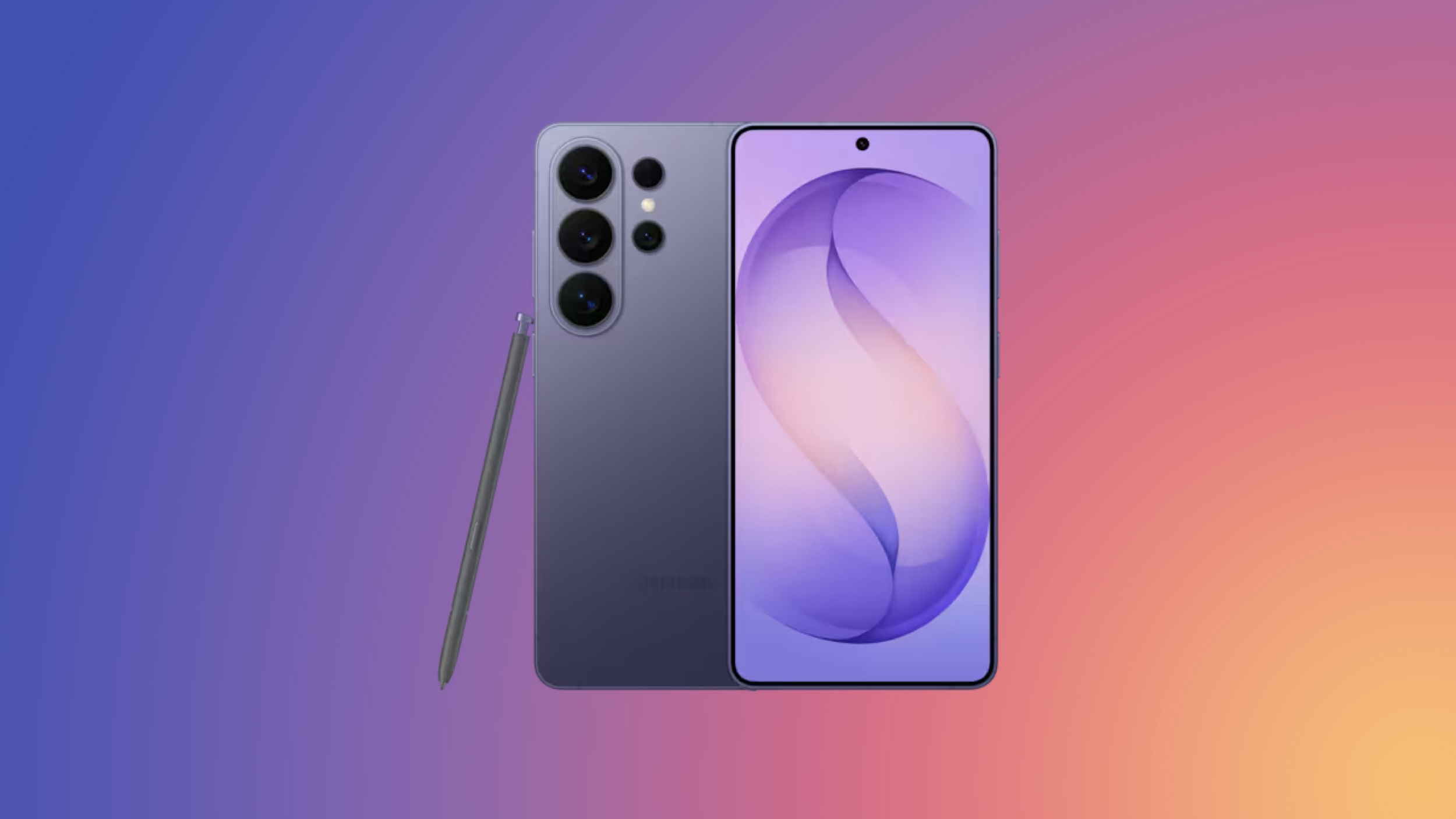
For the first time in recent years, Samsung has pulled ahead of Apple in the ACSI cell phone satisfaction rankings. The South Korean giant earned a score of 81, while Apple trailed closely at 80. This one-point gap ends a tie from the previous year and marks a significant milestone for Samsung. The achievement underscores Samsung's ability to deliver value that resonates with its customers, especially through new features and reliable performance. While Apple remains a strong contender, Samsung's focus on user experience and innovation appears to have tipped the scales in its favor.
2. Industry Satisfaction Rebounds After 2025 Dip
The overall cell phone industry satisfaction score rose 1% to 79 in 2026, recovering from a sharp 4% decline in 2025 that had pushed it to its lowest point in a decade. This rebound indicates that manufacturers are successfully addressing previous pain points. According to the ACSI, satisfaction improves most when new features translate into everyday value without introducing new frustrations. For example, battery life trade-offs have been a common complaint, but improvements in battery performance helped lift the industry score. The recovery signals a healthier market where customers feel their needs are being met.
3. AI Integration Scores High with Users
For the first time, the ACSI measured customer satisfaction with AI features on smartphones, and the results are impressive. AI integration scored 85 overall, showing that users are not only aware of these capabilities but also find them genuinely useful. This high rating suggests that AI has moved beyond gimmick status to become a practical tool. Key areas like photo enhancement, voice assistants, and predictive text are now seen as valuable enhancements. The ACSI notes that AI adoption is positive when it simplifies tasks and improves device usability, which seems to be the case here.
4. Core Functions Still Reign, But AI Is Close Behind
Despite the rise of AI, the most highly rated customer experience metrics remain the fundamental functions of making phone calls and sending text messages. Both scored 86, the highest in the study. However, AI feature performance debuted at 85, nearly matching these core interactions. This close margin highlights that AI is rapidly becoming as essential as traditional communication tools. Customers appreciate when AI works seamlessly in the background, such as suggested replies or smart call screening. The data suggests that AI is no longer a novelty but an integrated part of daily smartphone use.
5. Flagship Models Outperform Older and Foldable Phones
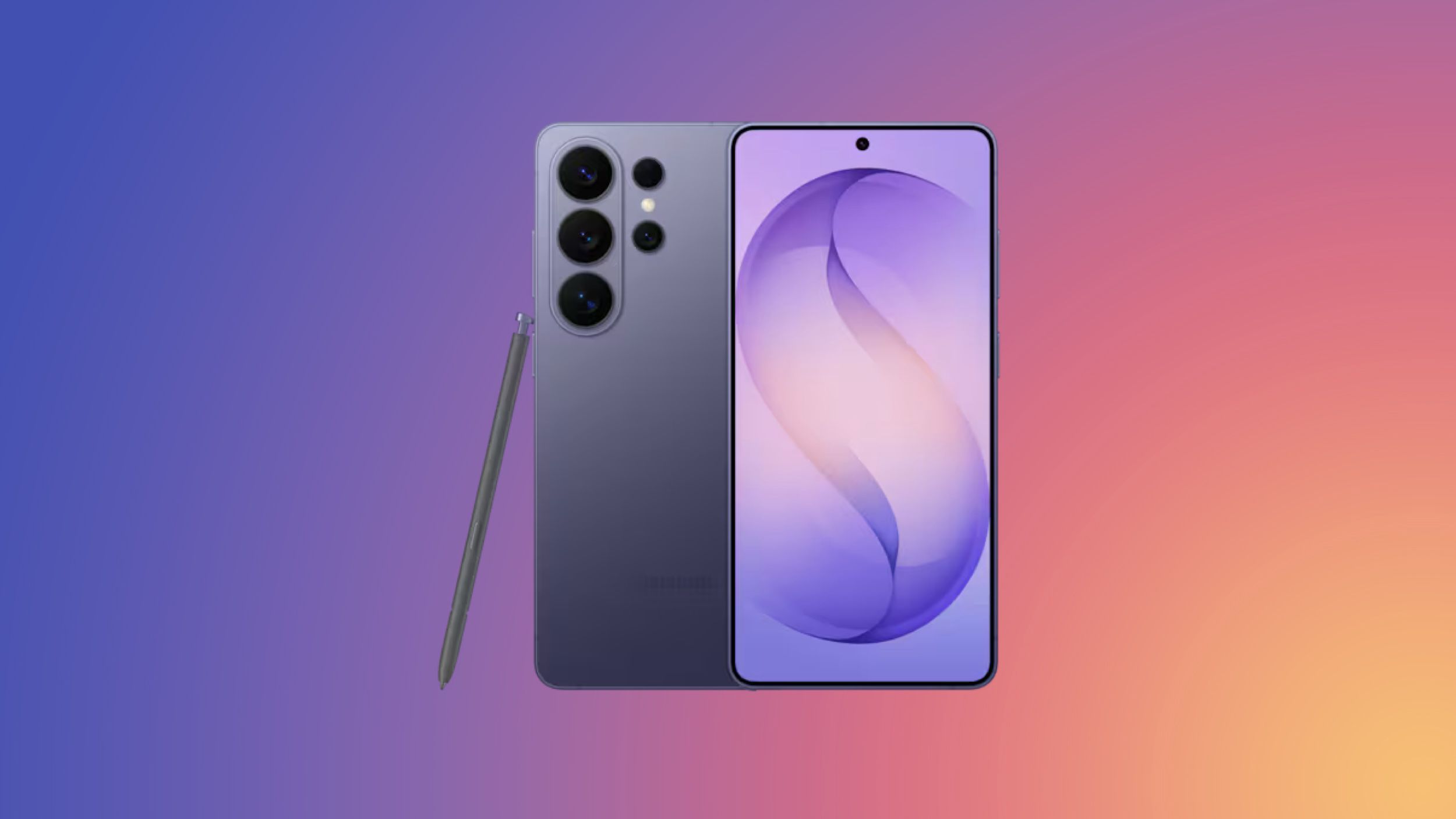
When looking at specific device categories, flagship models lead the pack with an overall satisfaction score of 82. Among new flagship owners, Samsung's latest Galaxy S-series tops the list at 84, followed by new iPhone owners at 82, and Google's flagship models at 80. Legacy phones lag behind at 76, and foldables score only 72. This gap shows that while foldables are innovative, they haven't yet matched the satisfaction levels of traditional high-end phones. For consumers prioritizing satisfaction, current flagship models remain the safest bet.
6. Foldable Segment: Samsung Leads, but Complaints Are High
In the foldable phone segment, Samsung holds a clear advantage with an ACSI score of 80, well ahead of Google at 72 and Motorola at 70. However, the study reveals a critical concern: foldable owners are three times as likely to complain as non-foldable owners. The ACSI suggests that competitive dynamics could shift dramatically if Apple enters the foldable market, as rumored. Apple is expected to debut a foldable iPhone alongside the iPhone 18 Pro models later this year, featuring a 7.8-inch inner display and a 5.5-inch cover screen, priced around $2,000. This entry could reshape the segment.
7. Smartwatch Market Sees a Tie at the Top
In the smartwatch category, Apple maintained a steady score of 80, while Samsung dropped 4% to 80, resulting in a first-place tie. Customer experience characteristics of smartwatches improved industry-wide this year. The biggest gains included ease of navigating menus and settings, up 7% to 80, and app and accessory connectivity, up 5% to 83. These improvements indicate that smartwatch makers are focusing on usability and ecosystem integration, which are key to keeping users satisfied. The tie underscores the competitiveness of the wearable market.
8. Survey Methodology and Key Details
The ACSI study is based on 26,963 completed surveys, with customers contacted via email between April 2025 and March 2026. This large sample size ensures reliable data. The study covers cell phones, smartwatches, and telecommunications services. It provides a comprehensive view of customer satisfaction across brands and device types. By tracking year-over-year changes, the ACSI helps identify trends and areas for improvement. For 2026, the data paints a picture of an industry that is recovering, innovating, and increasingly focused on AI and user experience.
In conclusion, the 2026 ACSI study highlights a dynamic shift in customer satisfaction, with Samsung taking the lead over Apple. AI integration is proving to be a major contributor to user happiness, while foldable phones still have room to grow. For both smartphone makers and consumers, these insights offer a valuable roadmap for the year ahead.
Related Articles
- Why I Switched to Helix After Two Decades of Vim
- Claude Code Revolution: FreeCodeCamp Launches Free Course on Anthropic's Terminal AI
- Meta AI Integration on Threads Sparks Debate: What Users Need to Know
- JetBrains Unveils 2026 Vision: AI and Traditional Coding to Coexist in Integrated Development Environments
- Why I Switched from OneDrive to Ente Photos for Secure Photo Storage
- SAS Declares AI 'Just a Tool' as 50-Year-Old Analytics Firm Pushes Problem-Solving Over Tech Hype
- Docker Launches AI Governance to Rein In Agent Chaos as Developer Laptops Become New Production Frontier
- Hopper AI Agent Launches to Modernize Mainframe Development for Critical Infrastructure