McDonald's Exec Reveals Behind-the-Scenes Panic Over Grimace Shake Death Trend
Breaking News – Three years after the viral Grimace Shake death trend swept TikTok, a top McDonald's executive has publicly detailed the fast-food giant's internal panic and strategic response. The bizarre phenomenon, where users filmed themselves appearing to die after drinking the purple milkshake, generated over 2.9 billion views and boosted McDonald's quarterly sales by 10%.
“If you think we planted the Grimace Shake trend … thank you. So much. But you think way too highly of us,” wrote Guillaume Huin, senior marketing director at McDonald's, on X. The post, shared Thursday, offered a rare glimpse into how large corporations handle organic viral moments.
Huin explained that he first encountered the trend at home, scrolling through social media and seeing multiple videos of users “losing control” after consuming the shake. Unsure of what it meant, he alerted management and leadership. “At first, I won’t lie, this felt like telling your parents about a massive mistake you made that would ruin all your hard work,” he said.
Background
McDonald's launched the limited-edition Grimace Shake in June 2023 to celebrate its longtime purple mascot, Grimace. The vanilla-berry-flavored milkshake was intended as a nostalgic menu item, but users quickly turned it into a horror-comedy meme on TikTok.
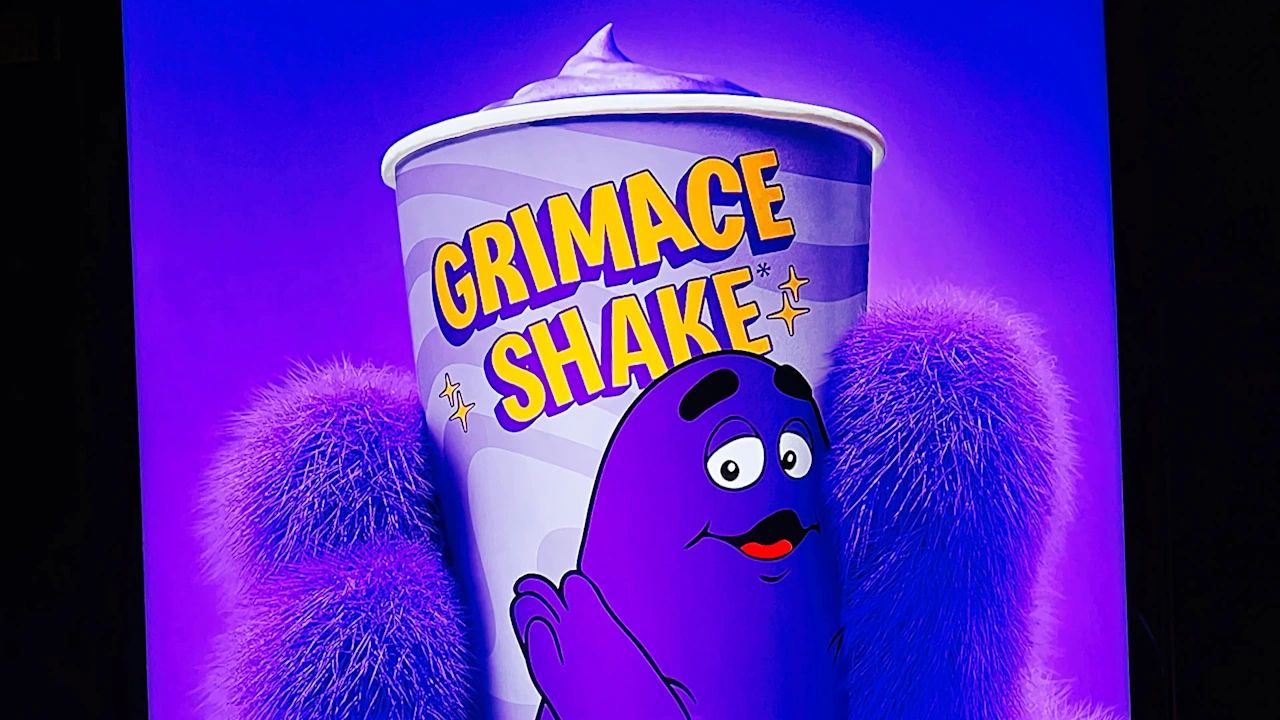
The trend followed a simple formula: film yourself trying the shake, then cut to a staged “death” scene. While seemingly negative, the trend drove massive engagement and even increased sales. However, Huin noted that the company was initially caught off guard and worried about brand damage.
“Pure Gen Z humor,” Huin assured his colleagues in an internal text, which he later shared on X. “It’s pure Gen Z humor, so do not take it badly even though it might be disturbing.”
What This Means
The incident highlights the challenges legacy brands face when navigating uncontrollable viral trends. Rather than rushing to respond, McDonald's allowed its team time to monitor and strategize. The eventual response was subtle, aiming to avoid appearing “self-serving.”
“We never explored or entertained the idea of doing the trend ourselves,” Huin wrote. The approach worked: the brand saw a sales boost without backlash, and Grimace has since taken over German social media after the shake launched there.
The episode also underscores the power of Gen Z humor and the fine line between parody and brand endorsement. For marketers, the key takeaway is to listen first and act with restraint, trusting that organic moments can often work in their favor.
Related Articles
- Go 1.26 Introduces Source-Level Inlining to Automate API Migrations
- Go 1.26: What's New in Syntax, Performance, and Tooling
- Apple Issues Urgent Warning: Mac Mini and Mac Studio Supplies to Remain Tight for Months Amid AI-Driven Demand Surge
- AI Code Revolution: Build Android Apps with Zero Experience Using Free Google Tools
- Go 1.26 Arrives With Major Language Enhancements, Faster Garbage Collection, and Experimental SIMD Support
- JDBC Still Vital for Java Developers as Higher-Level Abstractions Dominate
- Mastering Stack Allocation in Go: Avoiding Heap Pitfalls
- Mastering Prompt-Driven Development: A Practical How-To Guide