Understanding the Mac Mini and Mac Studio Shortage: AI Developers Drive Unprecedented Demand
The recent shortage of Apple's Mac Mini and Mac Studio models has caught the attention of developers and tech enthusiasts alike. With Apple CEO Tim Cook acknowledging that these supply constraints could persist for months, many are curious about the underlying causes. This Q&A explores how the surge in local AI development, particularly agentic AI workloads, has created a memory crunch that exceeds Apple's manufacturing capacity. We'll break down the key factors, who is affected, and what it means for the future of high-performance computing.
What exactly did Tim Cook say about Mac Mini and Mac Studio shortages?
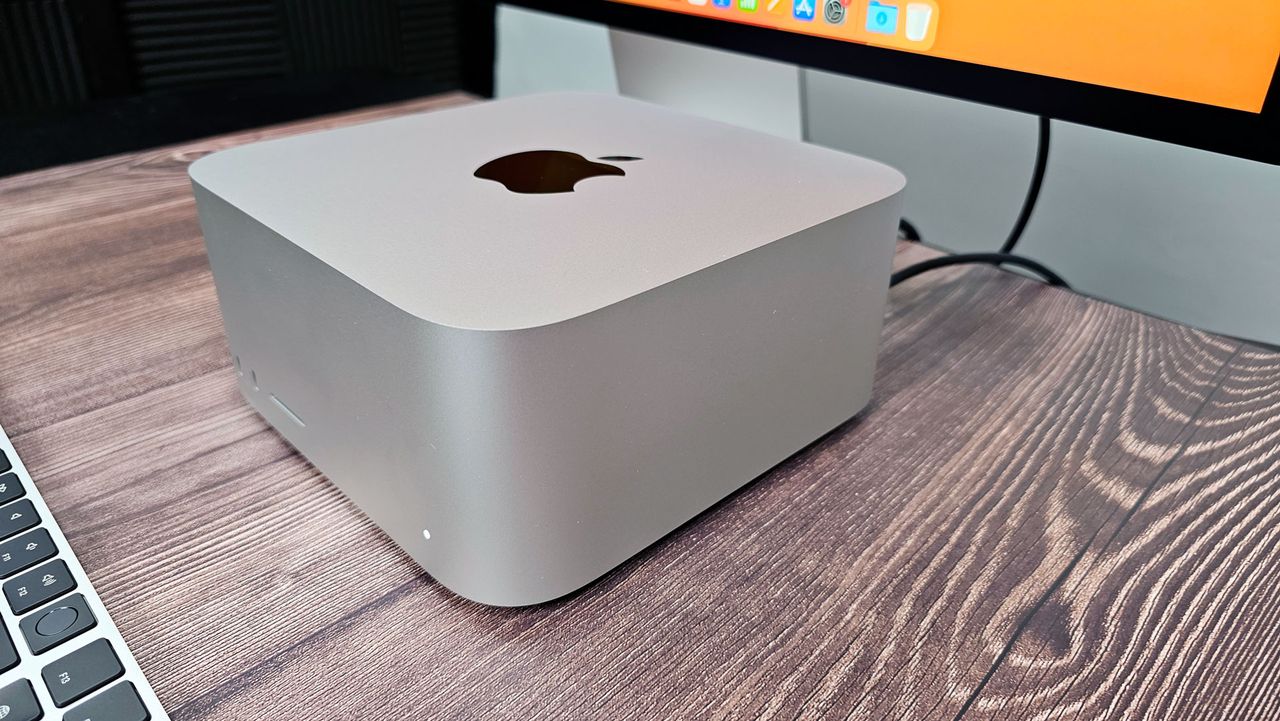
In a recent statement, Apple CEO Tim Cook warned that shortages of the Mac Mini and Mac Studio could last for several months. He attributed this prolonged scarcity to an unexpected spike in demand from developers who are snapping up high-memory Apple Silicon systems. These machines, especially those configured with ample RAM and high-performance cores, are increasingly essential for running sophisticated AI models locally. Cook's warning underscores that the supply chain is struggling to keep pace with this explosive interest, and the situation may not resolve quickly.
Why are developers specifically targeting these Mac models for AI work?
Developers are turning to the Mac Mini and Mac Studio because they offer an optimal balance of power, memory capacity, and energy efficiency for running large language models and agentic AI tasks. Apple's unified memory architecture allows for massive bandwidth and capacity—up to 192GB on the Mac Studio—which is crucial for loading AI models that often require dozens of gigabytes of RAM. Additionally, the M-series chips provide excellent performance for inference and fine-tuning without needing a dedicated GPU server. This makes them ideal for developers who want to experiment with AI locally without cloud costs or latency.
How does the memory crunch affect availability of these systems?
The memory crunch is a direct result of the high demand for systems with maximum RAM configurations. Apple sources specialized high-bandwidth memory (HBM) and DRAM components that are also in high demand across the tech industry, especially for AI accelerators. When developers rush to order the top-tier 64GB or 128GB plus configurations, they deplete the limited supply of these memory modules. Apple's manufacturing capacity is simply not scaled to meet this sudden surge, leading to weeks of backorders. Consequently, even standard configurations are becoming harder to find as customers upgrade to higher memory options.
What is agentic AI, and why does it require such powerful hardware?
Agentic AI refers to artificial intelligence systems that can autonomously perform complex tasks, make decisions, and interact with environments without constant human input. Unlike simpler inference models, agentic AI often involves running multiple models in sequence or in parallel, planning, and tool use—all of which demand substantial memory and processing power. For example, an AI agent that browses the web, writes code, and executes actions may need to maintain large context windows and memory states. Running these workloads locally on a Mac Studio with ample RAM ensures low latency and privacy, which is driving developers to seek out the highest memory configurations.
Could this shortage influence Apple's future hardware lineup?
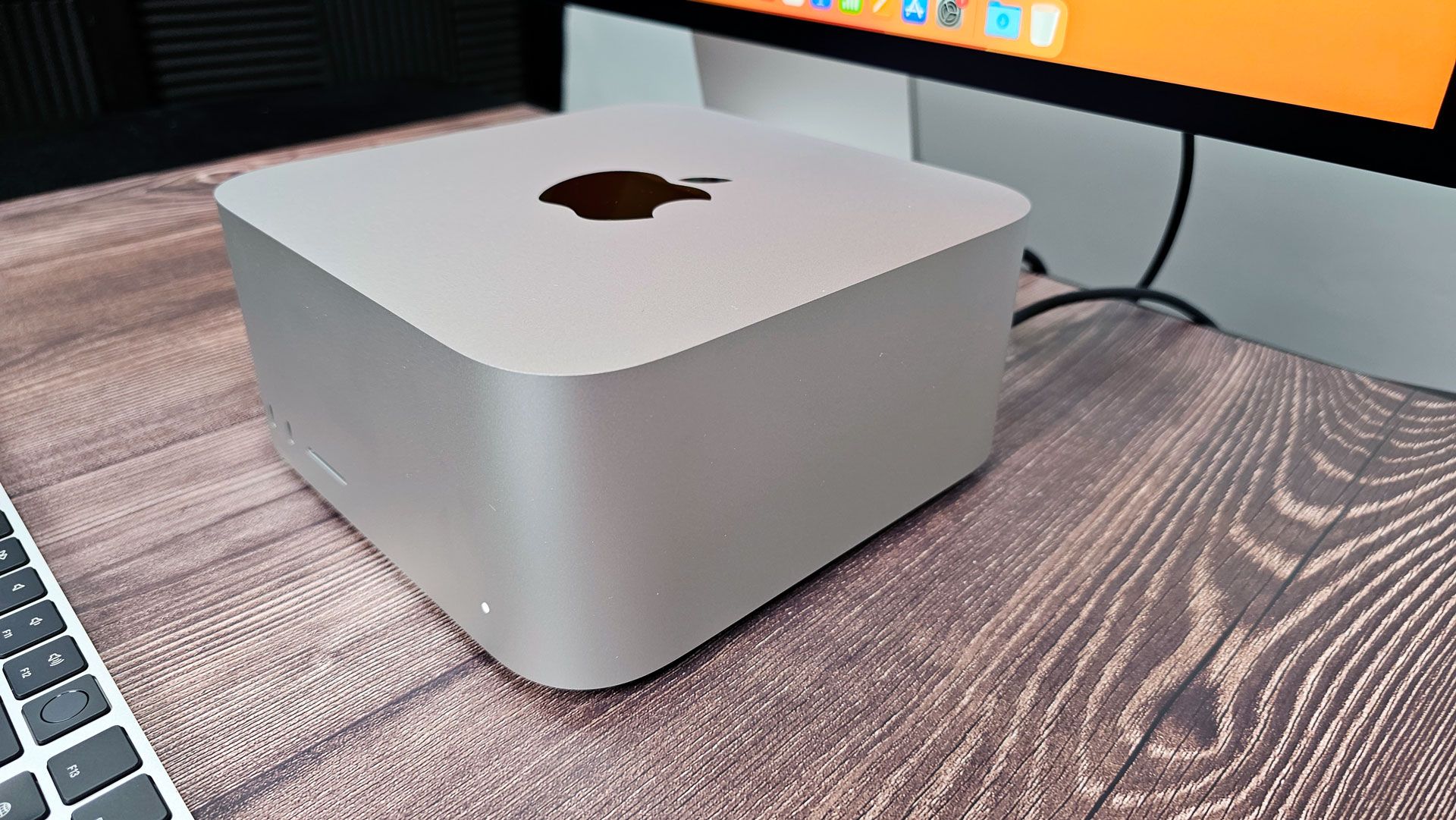
Absolutely. The persistent shortage signals to Apple that there is a strong, unfilled market for high-memory, pro-level desktop machines among AI developers. This may accelerate the release of next-generation Apple Silicon with even larger memory support, or prompt Apple to prioritize production of the Mac Studio over other models. Additionally, we might see more aggressive marketing of these systems to the AI community. Ultimately, the demand could shape the specifications of future Mac Pros or even lead to a dedicated AI workstation line. Apple is known for reading market signals, and this crunch is a loud one.
What options do developers have while waiting for Mac Mini or Mac Studio restocks?
Developers can consider several alternatives while they wait. First, they can explore the secondhand market for recently purchased Mac Minis or Studios, though prices may be inflated. Second, they might leverage cloud-based Apple Silicon instances from providers like MacStadium or AWS. Third, some developers are turning to the MacBook Pro with high memory configurations, as it uses the same M-series architecture. Finally, optimizing AI models using quantization and pruning techniques can reduce memory requirements, allowing them to run on less powerful existing hardware. Apple itself may offer expedited shipping for custom builds if available, so checking the store frequently is recommended.
Related Articles
- 7 Key Enhancements in .NET 11 Preview 4 You Need to Know
- Meta Reveals How It Safeguards Configuration Changes at Scale with AI-Driven Canary Rollouts
- Configuring Scalar API Reference in ASP.NET Core
- 5 Key Enhancements in Visual Studio Code’s Python September 2025 Release
- Mastering Structured Prompt-Driven Development: A Practical Guide for Teams
- New: 'Cats Lock' App Ends Cat-astrophic Keyboard Chaos on Macs
- How to Automate Agent Trajectory Analysis with GitHub Copilot
- GDB's Experimental Source-Tracking Breakpoints Automatically Adapt to Code Changes