Warp Terminal Goes Open Source: A New Model for Community Collaboration
Introduction
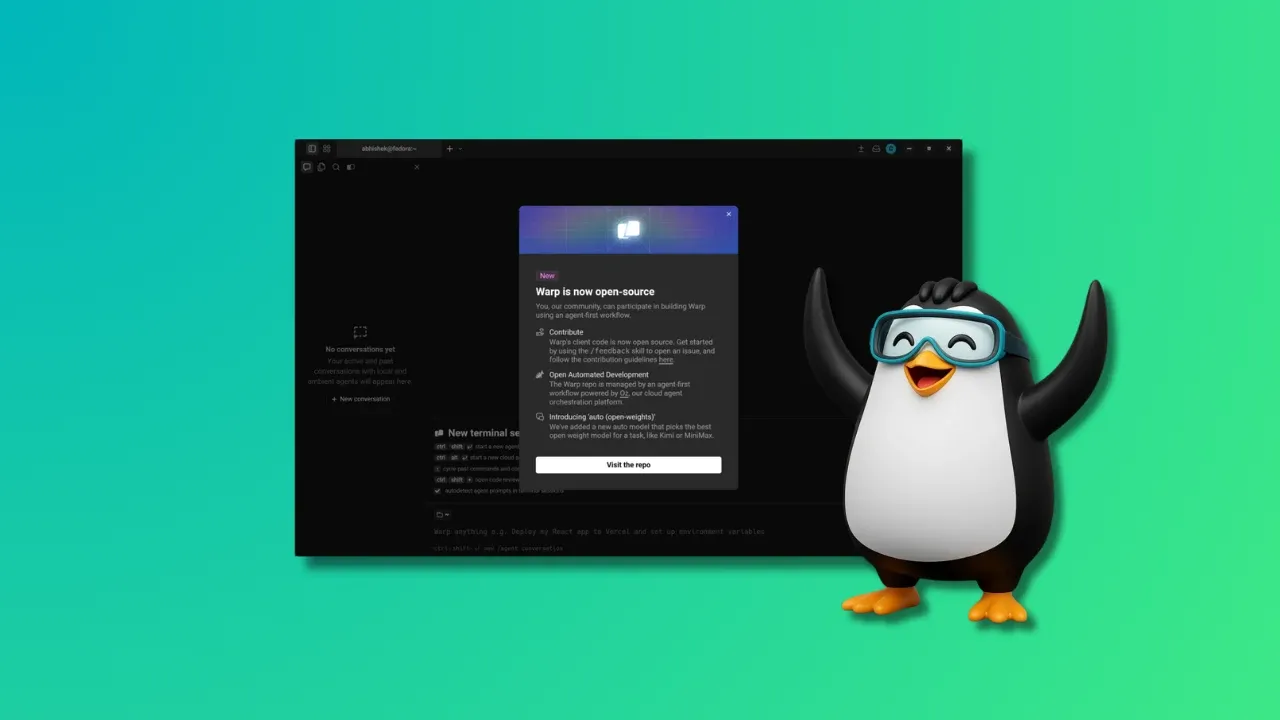
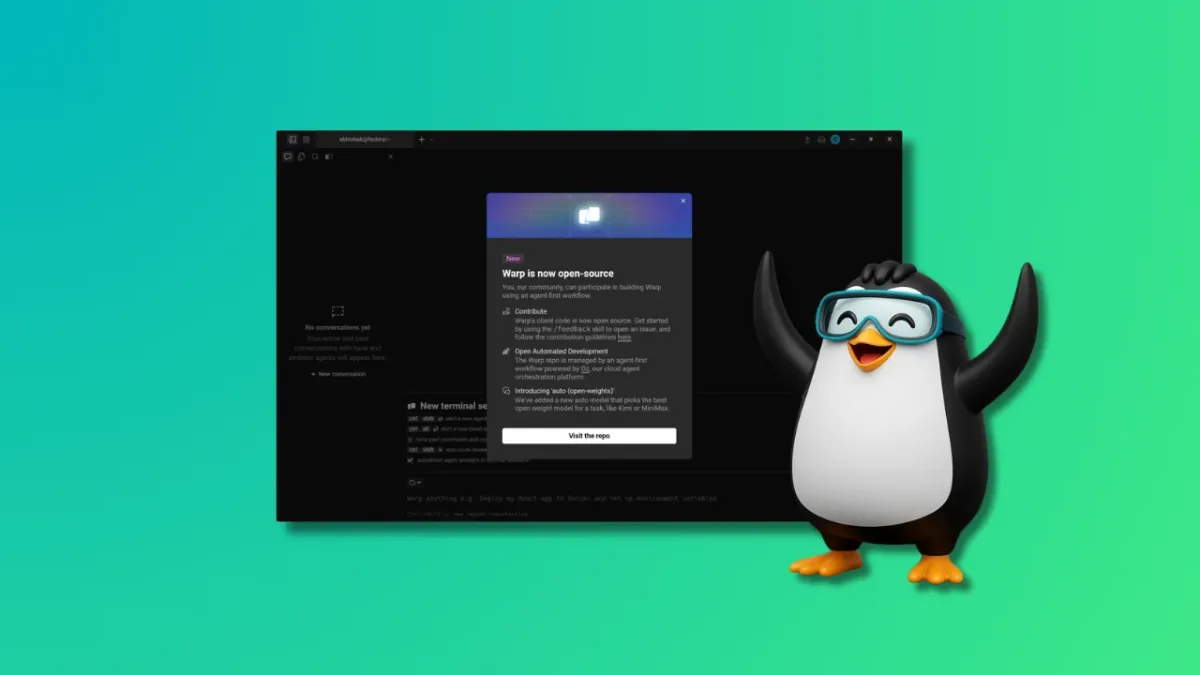
In a bold move that redefines open source collaboration, Warp has released its terminal client code on GitHub. Unlike traditional projects that rely on human contributors for code patches, Warp introduces an agent-driven development model where AI handles implementation while humans focus on ideas and review. The company aims to accelerate product development and compete with well-funded closed-source alternatives.
Why Open Source?
Zach Lloyd, CEO of Warp, explains: “Open-sourcing is fundamentally coming from our desire to build a successful business. We are competing with other highly funded, closed-source competitors, and we think opening and providing the resources for the community to improve Warp is a smart way for us to accelerate product development.” This strategic decision mirrors recent moves by other startups like Cal.com, but Warp’s approach stands out due to its emphasis on AI-driven contributions.
A Different Contribution Model
The main bottleneck in development is no longer writing code, but human-led tasks such as deciding on features and verifying behavior. Warp envisions a future where AI agents, powered by its Oz platform, handle implementation while human contributors concentrate on feature ideas, specification writing, and code review. The company is confident that Oz-generated code, guided by Warp’s rules and verification processes, puts contributors in a strong position to get features right.
What is Oz?
Oz is Warp’s cloud agent orchestration platform, announced earlier this year. It allows running multiple coding agents in parallel in the cloud with full visibility and control. Oz is now central to the open source contribution workflow, ensuring that contributions align with Warp’s standards.
Technical Details and Licensing
The client codebase is live at github.com/warpdotdev/warp. Licensing is split: the UI framework (crates warpui_core and warpui) is under the MIT license, while the rest of the codebase uses the AGPLv3 license. This dual approach encourages broad adoption of the UI components while protecting the core.
AI Agent Integration
OpenAI is the founding sponsor of the repository, and agentic contributions are powered by GPT models running through Oz. While other coding agents like Claude Code, Codex, and Gemini CLI are welcome, Warp recommends using Oz for its built-in context and verification checks.
Expanding Open Source AI Models
Warp is also expanding support for open source models, adding Kimi, MiniMax, and Qwen. A new “auto (open)” routing option selects the best open model for a given task, enhancing flexibility and performance.
Settings File for Portability
A new settings file enables programmatic control and easier portability across devices, aligning with Warp’s goal of a seamless developer experience.
Conclusion
Warp’s open source release marks a paradigm shift. By leveraging AI agents through Oz, the company invites the community to shape the terminal’s future without being bogged down by implementation details. As Warp competes with other modern terminals and integrates with leading AI tools, this model could become a blueprint for open source projects in the age of AI.
Related Articles
- Enhancing Deployment Safety at GitHub with eBPF
- From Internal Tool to Open-Source Success: How to Transfer Governance to a Foundation
- OpenClaw AI Agent Surges to 250K GitHub Stars, Overtakes React in Record Time; NVIDIA Steps In to Bolster Security
- 6 Key Updates to GitHub Copilot Plans: Flex Allotments, New Max Tier, and What It Means for You
- 10 Essential Tips for Mastering System Tray and Notifications in Flutter Desktop
- Rust Expands Mentorship: Joining Outreachy for 2026
- How to Get Your GSoC Project Accepted: Lessons from Rust’s 2026 Selection
- Enhancing Deployment Safety at GitHub with eBPF: Breaking Circular Dependencies