How to Spot the Best Sky Events in May 2026
Introduction
May 2026 offers a trio of celestial delights: a meteor shower from Halley's Comet, a dazzling Moon-Venus pairing, and a rare Blue Moon. Whether you're an experienced stargazer or a curious beginner, this guide will walk you through each event step by step. With a little preparation and clear skies, you'll be able to enjoy shooting stars, brilliant planets, and lunar phases.
What You Need
- Dark location – away from city lights for best meteor viewing.
- Comfortable seating – a reclining chair or blanket.
- Warm clothing – early mornings can be cool.
- Red flashlight – preserves night vision; avoid white light or phone screens.
- Binoculars or telescope – optional, but great for Moon and Venus.
- Star chart or app – to locate Aquarius, Venus, and the Moon.
- Patience – let your eyes adjust for 20–30 minutes.
Step-by-Step Skywatching Guide
Step 1: Watch the Eta Aquarid Meteor Shower (May 5–6)
The Eta Aquarids peak before dawn on May 5 and 6. These fast meteors (40 miles per second) originate from Halley's Comet, which last visited in 1986 and won't return until 2061. Under ideal skies, you might see up to 50 meteors per hour, though a bright Moon may wash out fainter ones.
- Choose the right time. Best viewing is in the hours before dawn, around 3:00–5:00 AM local time.
- Find a dark spot. Move away from artificial lights. Let your eyes adjust for 20–30 minutes.
- Look east toward the constellation Aquarius (the radiant). Meteors will appear to streak from that area.
- Be patient. Lie back and scan the sky. Avoid looking at your phone – its light ruins night vision.
- Note the glowing trails. These meteors are fast and often leave persistent trains.
Step 2: See the Moon and Venus Conjunction (May 18)
On the evening of May 18, look west just after sunset. The crescent Moon will be paired with brilliant Venus – often called the Evening Star. They appear close together from Earth, but are actually millions of miles apart.
- Time it right. Go outside 20–30 minutes after sunset. Venus will be the brightest object in the western sky.
- Find the Moon. The slim crescent Moon will point directly toward Venus, acting as a guide.
- Use binoculars to see details on the Moon and the bright disk of Venus.
- Take a photo if you have a camera – the pairing is photogenic.
Step 3: Observe the Blue Moon (May 31)
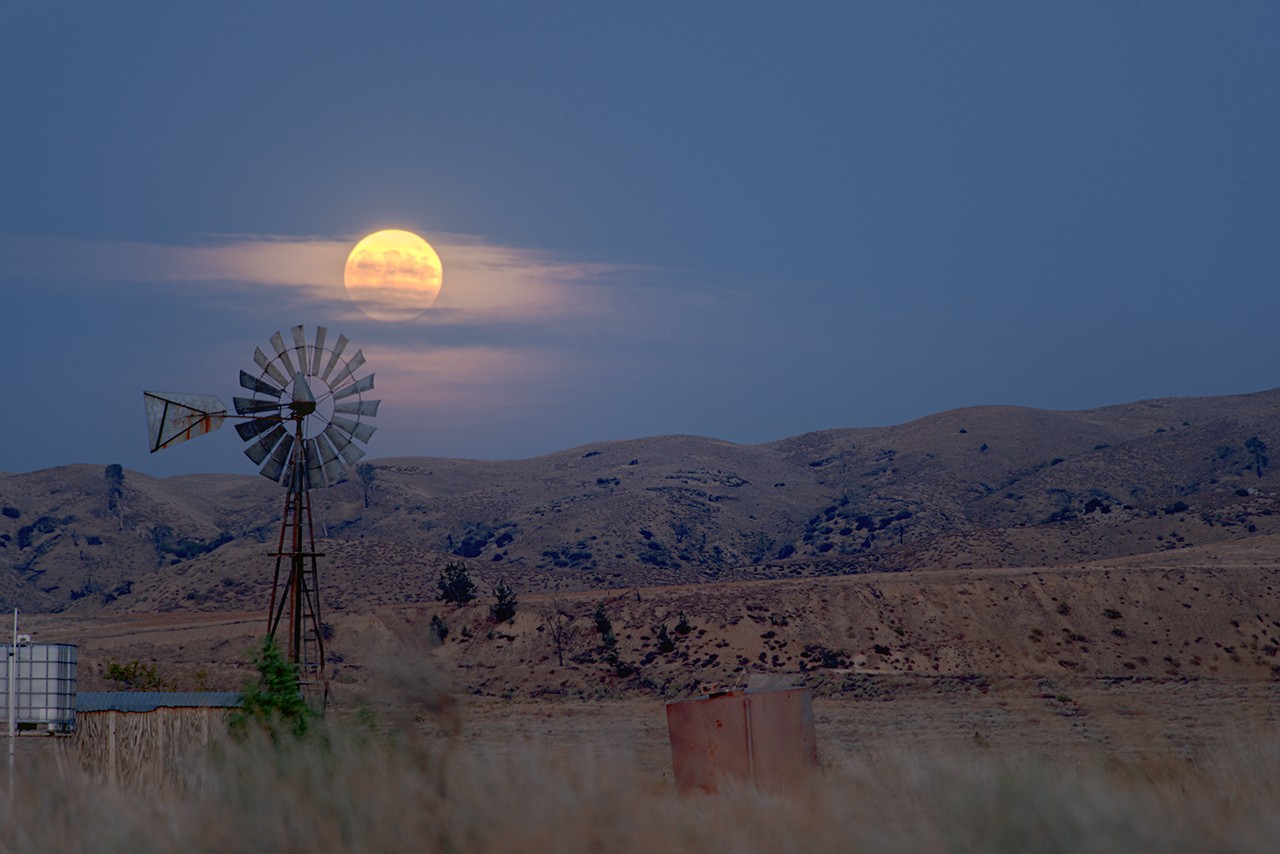
May ends with a Full Moon on May 31. This is a Blue Moon – the second full moon in a single calendar month. Despite the name, it won't look blue; the term simply indicates rarity, giving us the phrase "once in a blue moon."
- Find a clear view of the eastern horizon around sunset. The full Moon rises as the Sun sets.
- Watch it rise. The Moon appears larger near the horizon due to an optical illusion.
- Enjoy the glow. Full moons are great for night hikes or moonlit photography.
- Note the date. Blue Moons occur roughly every 2.5 years, so this is a special event.
Step 4: Plan for Future Skywatching
Use this month's events to build a habit. Check NASA's Daily Moon Guide or a skywatching app for upcoming events. The phases of the Moon for May 2026 are: New Moon on May 7, First Quarter on May 14, Full Moon on May 23, and the Blue Moon on May 31.
Step 5: Connect with NASA's Achievements
In April 2026, the Artemis II mission launched around the time of the April 1st Full Moon, sending astronauts around the Moon for the first time in over 50 years. This historical context adds meaning to May's lunar events – the same Moon we see is now being explored again.
Tips for Success
- Check the weather. Clear skies are essential. Look up local forecasts.
- Share the experience. Invite friends or family – it's more fun together.
- Use a red flashlight to read charts or adjust equipment without losing night vision.
- Arrive early. Give yourself time to set up and dark-adapt.
- Be consistent. Even if you miss the peak, try again – the shower remains active from late April to mid-May.
- Record your observations. Note what you saw – it helps you improve and remember.
- Stay safe. If observing from a remote area, let someone know your plans and bring water and snacks.
Whether you're up before sunrise or out after sunset, May 2026 is a wonderful month to look up. Enjoy the cosmos!
Related Articles
- Unveiling the Hidden Twist: How Water Molecules Organize at the Air–Water Interface
- A Step-by-Step Guide to Reversing Diabetes in Mice Using Lab-Grown Insulin Cells
- Amazon WorkSpaces Empowers AI Agents with Secure Desktop Access (Preview)
- 10 Surprising Insights into What Really Causes Lightning
- AirSnitch Attacks: How Enterprises Can Defend Against Wi-Fi Encryption Breaches
- Eta Aquarid Meteor Shower Peak: How to See Shooting Stars Despite the Moon's Glare
- 7 Surprising Ways Your Sense of Self Location Shapes Your Life
- 8 Crucial Insights into What Word2vec Truly Learns