Space News Q&A: Starship Updates, Blue Moon Mission, and the Golden Dome Defense Initiative
Welcome to a new Q&A edition covering the latest in spaceflight and defense. This week, SpaceX's Starship is poised for a May test flight, Blue Origin prepares its first lunar landing attempt with the Blue Moon cargo lander, and the US Space Force unveils a dozen contractors for its ambitious Golden Dome space-based interceptor program. Each of these stories has implications for NASA's 2028 moon goal and national security. Dive into the details below.
1. What is the latest on SpaceX's Starship testing?
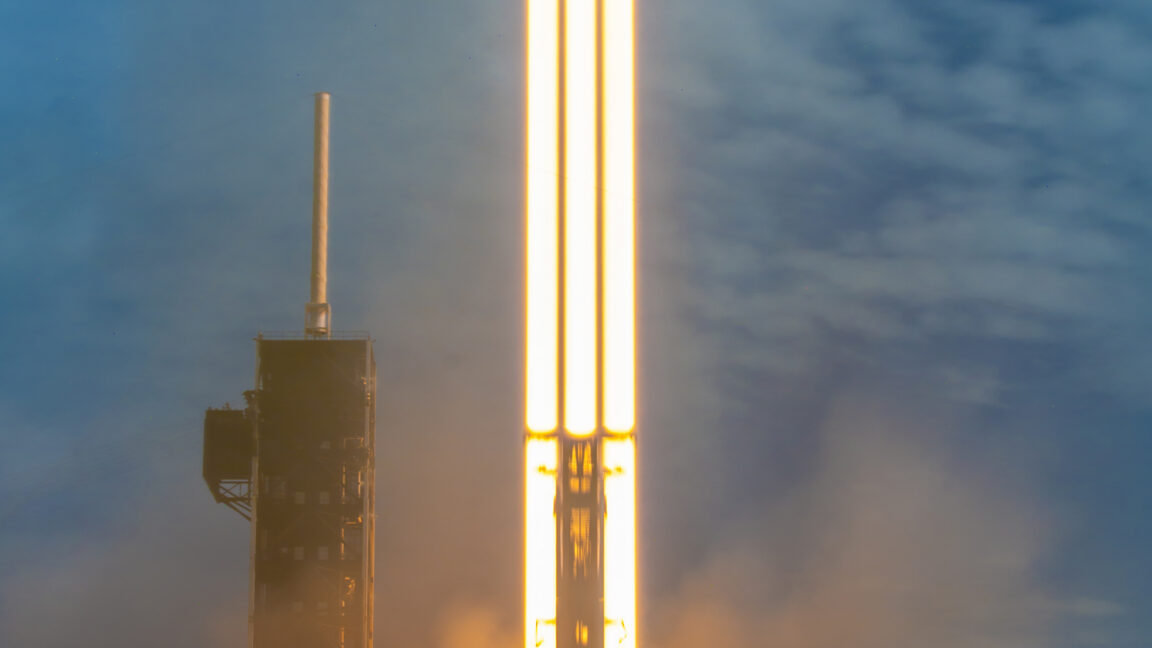
Starship, the largest rocket ever built, had a relatively quiet week. However, SpaceX is targeting its next test flight for sometime in May. The vehicle has undergone significant upgrades since the previous attempt, and engineers are focused on achieving a fully successful ascent and controlled reentry. The outcome will be crucial for the program's momentum, as Starship is central to NASA's Artemis plan to land astronauts on the Moon by 2028. If the May flight succeeds, it could accelerate the certification process for lunar missions.
2. What is Blue Origin's Blue Moon mission and how does it affect NASA's lunar timeline?
Blue Origin is preparing its Blue Moon cargo lander for a first landing attempt on the Moon in the coming months. This uncrewed mission will test the lander's descent and surface operations. The results will be closely watched by NASA, as the agency relies on commercial partners like Blue Origin to deliver cargo and eventually astronauts. A successful landing could boost confidence in the 2028 astronaut timeline, while a failure might force delays or reassessments. The mission also demonstrates the growing role of private companies in lunar exploration.
3. What is the US Space Force's Golden Dome initiative?
The Golden Dome initiative is a multilayer defense system designed to protect US territory from a range of aerial threats: drones, ballistic missiles, hypersonic weapons, and cruise missiles. Announced as part of the Pentagon's strategic shift, it will leverage space-based sensors and interceptors to detect and neutralize threats before they reach the homeland. The Space Force released a list of 12 companies on April 24 that will develop Space-Based Interceptor (SBI) prototypes for the program. These interceptors will orbit the Earth, providing persistent coverage and rapid response capability. The initiative is expected to cost billions over its lifetime, with initial prototype contracts worth up to $3.2 billion.
4. Which companies are developing Space-Based Interceptors for Golden Dome?
The roster of Golden Dome SBI contractors includes major defense primes and innovative startups: Anduril Industries, Booz Allen Hamilton, General Dynamics Mission Systems, GITAI USA, Lockheed Martin, Northrop Grumman, Quindar, Raytheon, Sci-Tec, SpaceX, True Anomaly, and Turion Space. Each will contribute in different areas—from sensor payloads to propulsion and data integration. Notably, SpaceX brings its expertise in rapid manufacturing and launch services, while startups like True Anomaly focus on space domain awareness. The diversity reflects the Pentagon's desire for innovative, cost-effective solutions.
5. What is the budget and scope of the SBI prototype development?
The agreements for the first phase of SBI development have a maximum combined value of $3.2 billion. This covers prototype design, construction, and testing. The companies will deliver working models for experimental validation before any commitment to full-scale production. Future contracts for operational interceptors will carry a significantly higher price tag, as the Pentagon aims to field a robust constellation. The funding is part of the broader Golden Dome program, which may ultimately cost tens of billions as it integrates ground- and space-based layers. The current phase emphasizes speed and risk-taking to mature technologies quickly.
6. How does the Golden Dome initiative fit into broader US missile defense strategy?
Golden Dome represents a leap from reactive, ground-based systems to a persistent, space-borne shield. Unlike traditional missile defense that relies on limited interceptors and radar coverage, space-based interceptors can track and engage threats from above, offering global coverage and faster response times. The initiative complements existing systems like Patriot and THAAD while addressing emerging hypersonic and drone threats. It also signals a shift in military space strategy toward active defense. Success would provide a new layer of security for the US homeland, but technical challenges—such as orbital mechanics and cost—remain. The next few years of prototype testing will determine its viability.
Related Articles
- MIT Scientists Unlock Atomic Secrets of High-Tech Material That Powers Ultrasounds and Sonar
- Breakthrough Gene Discovery Paves Way for Human Limb Regeneration
- Neuroscientists Identify 'Brake' Signal That Prevents Uncontrollable Scratching
- 10 Key Facts About NASA's 34th SpaceX Resupply Mission to the Space Station
- 7 Electrifying Discoveries That Could Revolutionize Your Morning Brew
- A Radical Solution to AMOC Collapse: A 130-km Dam in the Bering Strait
- Revolutionizing Fertility and Energy: The Future of IVF and Balcony Solar
- Hidden Silicone Threat Discovered in Air: Scientists Warn of Widespread Exposure